



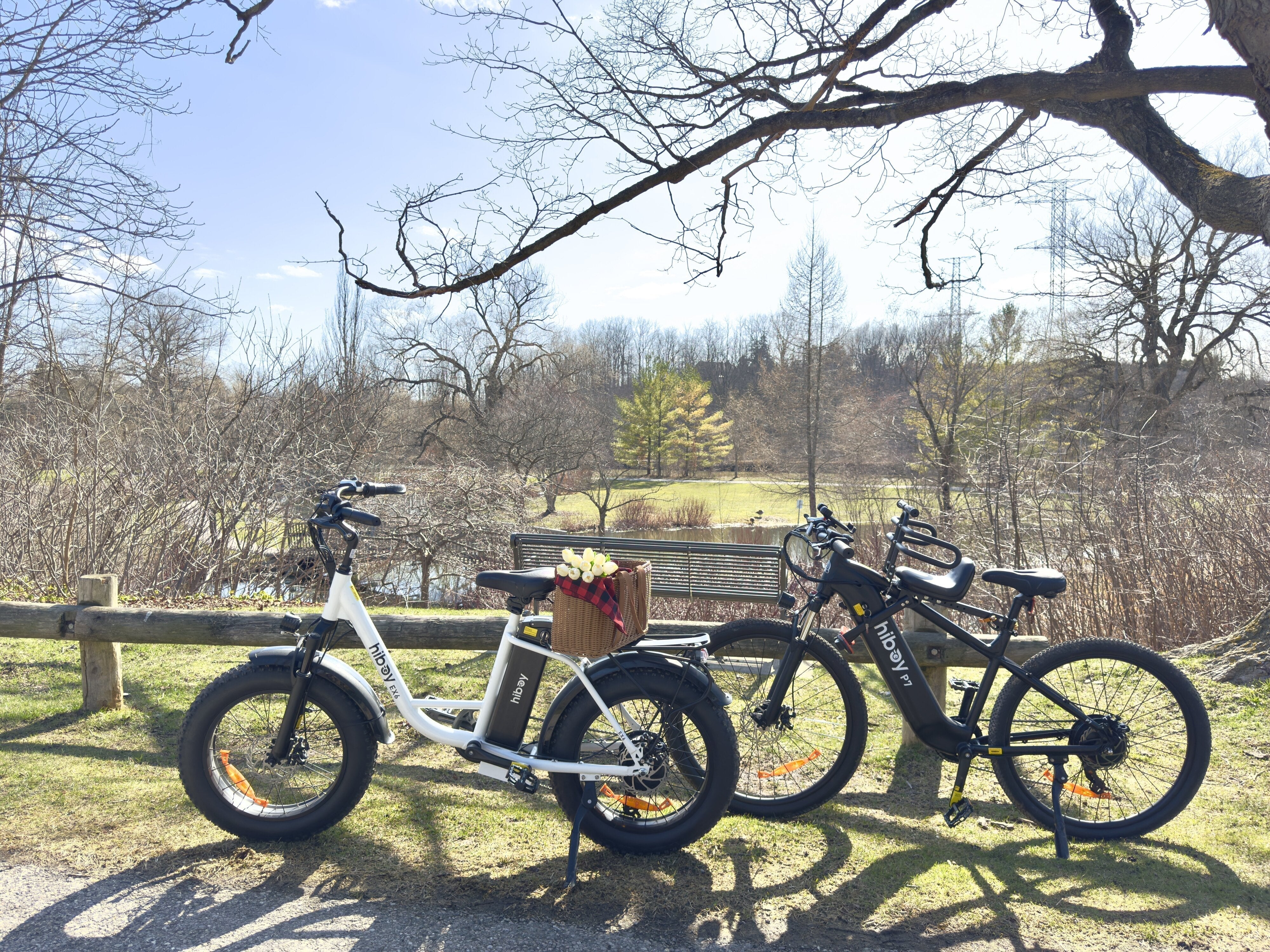
When shopping for an electric bike, most riders focus on specifications like motor power, battery range, top speed, and tire size. While these features are important, one of the most overlooked decisions is the bike frame itself.
Should you choose a step-through eBike or a step-over eBike?
The frame design affects much more than appearance. It influences comfort, accessibility, riding posture, stability, cargo carrying, and even how often you'll want to ride your bike.
Whether you're commuting through downtown Toronto, cruising Vancouver's seawall, or exploring trails around Calgary, understanding the differences between step-through and step-over frames can help you choose the right eBike for your lifestyle.
In this guide, we'll compare both frame styles, explain their advantages and limitations, and help you determine which one makes the most sense for your riding needs.
What Is a Step-Through eBike?
A step-through eBike features a low or absent top tube, creating a wide opening between the seat and handlebars.

Instead of swinging a leg over a high frame, riders can simply step through the opening to mount and dismount the bike.
Key Characteristics
- Low standover height
- Easy mounting and dismounting
- Upright riding position
- Comfortable for riders of varying flexibility levels
- Popular for commuting and recreational riding
Typical Uses
- Urban commuting
- Leisure rides
- Errand running
- Seniors and new riders
- Riders carrying cargo or child seats
What Is a Step-Over eBike?
A step-over eBike features the traditional bicycle frame design, with a top tube connecting the seat tube to the handlebars.

To mount the bike, riders swing a leg over the rear wheel and top tube.
Key Characteristics
- Traditional frame geometry
- Higher standover height
- Increased frame rigidity
- Sportier riding position
- Common on mountain, gravel, and performance-oriented bikes
Typical Uses
- Trail riding
- Mountain biking
- Long-distance rides
- Performance cycling
- Aggressive riding styles
Step-Through vs. Step-Over: At a Glance
| Feature | Step-Through eBike | Step-Over eBike |
| Mounting Ease | Excellent | Moderate |
| Accessibility | Excellent | Moderate |
| Frame Stiffness | Good | Excellent |
| Comfort | Excellent | Good |
| Sporty Handling | Good | Excellent |
| Cargo Carrying Convenience | Excellent | Good |
| Commuting | Excellent | Very Good |
| Trail Riding | Good | Excellent |
| Flexibility Required | Minimal | Moderate |
| Ideal for Beginners | Excellent | Good |
Why Frame Design Matters More Than You Think
The frame is the foundation of the bike. It influences nearly every aspect of the riding experience.

Many riders choose an eBike based on motor specifications, only to realize later that the frame doesn't match their daily needs.
Let's look at the factors that make frame selection important.
1. Ease of Getting On and Off
One of the biggest advantages of a step-through frame is accessibility.
For riders making multiple stops throughout the day, repeatedly swinging a leg over a traditional frame can become inconvenient.
Step-Through Advantages
- Quick mounting at traffic lights
- Easier while carrying backpacks
- Convenient when wearing work clothes
- Ideal for riders with limited mobility
This becomes particularly valuable in urban environments where riders frequently stop and start.
Step-Over Advantages
Step-over bikes are still easy to mount for most riders but generally require more flexibility and balance.
2. Comfort During Daily Rides
Comfort is often the deciding factor in how frequently people ride their eBikes.

Step-through frames naturally encourage a more upright riding position.
Benefits of Upright Geometry
- Reduced strain on the neck
- Less pressure on wrists
- Improved visibility in traffic
- More relaxed riding experience
This makes step-through eBikes especially appealing for commuters and recreational riders.
Step-over bikes often place riders in a slightly more forward-leaning position, which can improve efficiency but may feel less relaxed on casual rides.
3. Frame Strength and Rigidity
The traditional step-over design has a structural advantage.
The top tube creates a triangle within the frame, which helps distribute forces more effectively.
Why Rigidity Matters
A stiffer frame can provide:
- More precise handling
- Better power transfer
- Improved stability at higher speeds
- Enhanced performance on rough terrain

Comparison
| Factor | Step-Through | Step-Over |
| Structural Rigidity | Good | Excellent |
| Handling Precision | Good | Excellent |
| High-Speed Stability | Very Good | Excellent |
| Off-Road Performance | Good | Excellent |
Modern engineering has significantly improved step-through frame strength, but step-over frames still maintain a slight advantage in demanding riding conditions.
4. Commuting and Urban Transportation
For city riding, step-through eBikes often provide the most practical solution.
Urban riders frequently encounter:
- Traffic lights
- Crosswalks
- Busy intersections
- Frequent stops
The ability to quickly step on and off the bike becomes a major convenience.

Why Many Commuters Prefer Step-Through Bikes
- Easier in work attire
- Comfortable for daily use
- Better suited for carrying bags
- Less intimidating for new riders
For many Canadian commuters, convenience outweighs the marginal performance advantages of a step-over frame.
5. Riding with Cargo
Cargo changes the riding experience significantly.
Whether you're carrying:
- Groceries
- Work equipment
- Camping gear
- Child seats
a step-through frame often makes mounting safer and easier.
Instead of swinging your leg over loaded rear racks, you can simply step through the frame opening.
Cargo-Friendly Comparison
| Scenario | Step-Through | Step-Over |
| Rear Cargo Rack | Excellent | Good |
| Pannier Bags | Excellent | Good |
| Child Seat Installed | Excellent | Fair |
| Frequent Stops | Excellent | Good |
6. Trail Riding and Adventure Use
For rough terrain, step-over frames generally perform better.

The increased rigidity helps maintain control on:
- Dirt trails
- Gravel roads
- Forest paths
- Mountain bike routes
Why Adventure Riders Often Choose Step-Over Frames
- Better handling response
- Increased durability
- More confidence on technical terrain
- Greater stability during aggressive riding
If your primary goal is off-road exploration, a step-over eBike may be the better choice.
7. Rider Flexibility and Mobility
Not every rider has the same physical abilities.
Step-through eBikes have become increasingly popular among:
- Older adults
- Riders recovering from injuries
- Riders with hip or knee limitations
- New cyclists
The low standover height makes cycling accessible to a much wider audience.
This accessibility is one reason step-through designs continue to grow in popularity across North America.
Common Myths About Step-Through eBikes
Myth #1: Step-Through Bikes Are Only for Seniors
False.
Many younger commuters prefer step-through bikes because they're practical and comfortable.
The design focuses on convenience rather than age.
Myth #2: Step-Through Frames Are Weak
False.
Modern aluminum and reinforced frame designs are significantly stronger than earlier generations.

Most riders will never notice a meaningful difference during everyday riding.
Myth #3: Step-Over Bikes Are Always Faster
Not necessarily.
Motor power, battery output, tires, rider fitness, and overall bike geometry influence speed far more than frame style alone.
Which Frame Style Is Right for You?
Choose a Step-Through eBike If You:
- ✓ Primarily ride in cities
- ✓ Prioritize comfort
- ✓ Make frequent stops
- ✓ Carry cargo regularly
- ✓ Want easy mounting and dismounting
- ✓ Prefer an upright riding position
- ✓ Are new to eBikes
Choose a Step-Over eBike If You:
- ✓ Ride aggressively
- ✓ Frequently explore trails
- ✓ Want maximum frame stiffness
- ✓ Prioritize performance handling
- ✓ Prefer a sportier riding feel
- ✓ Regularly ride at higher speeds over varied terrain
The Growing Popularity of Step-Through eBikes
Over the past decade, step-through eBikes have evolved from niche commuter bikes into one of the most popular frame styles on the market.

Advances in frame engineering have dramatically improved strength and durability, while riders increasingly value comfort, accessibility, and practicality.
For many people, the best eBike is the one they enjoy riding most, and a comfortable, easy-to-use frame often plays a bigger role in that decision than raw performance specifications.
Final Thoughts
When comparing step-through and step-over eBikes, there is no universally "better" option. The right choice depends entirely on how and where you ride.
Step-through frames excel in comfort, convenience, accessibility, and everyday practicality, making them ideal for commuting, leisure rides, and urban transportation. Step-over frames offer greater rigidity and performance-oriented handling, making them better suited for trail riding and more demanding terrain.
Before focusing solely on motor power or battery range, consider how the bike frame will affect your daily riding experience. The frame is the foundation of your eBike, and choosing the right one can make every ride safer, more comfortable, and more enjoyable.
Ultimately, the best frame is the one that matches your lifestyle and encourages you to ride more often.






Partager:
How Far Can an Electric Scooter Go on One Charge?
What to Look for Before Buying an Electric Bike in Canada?