



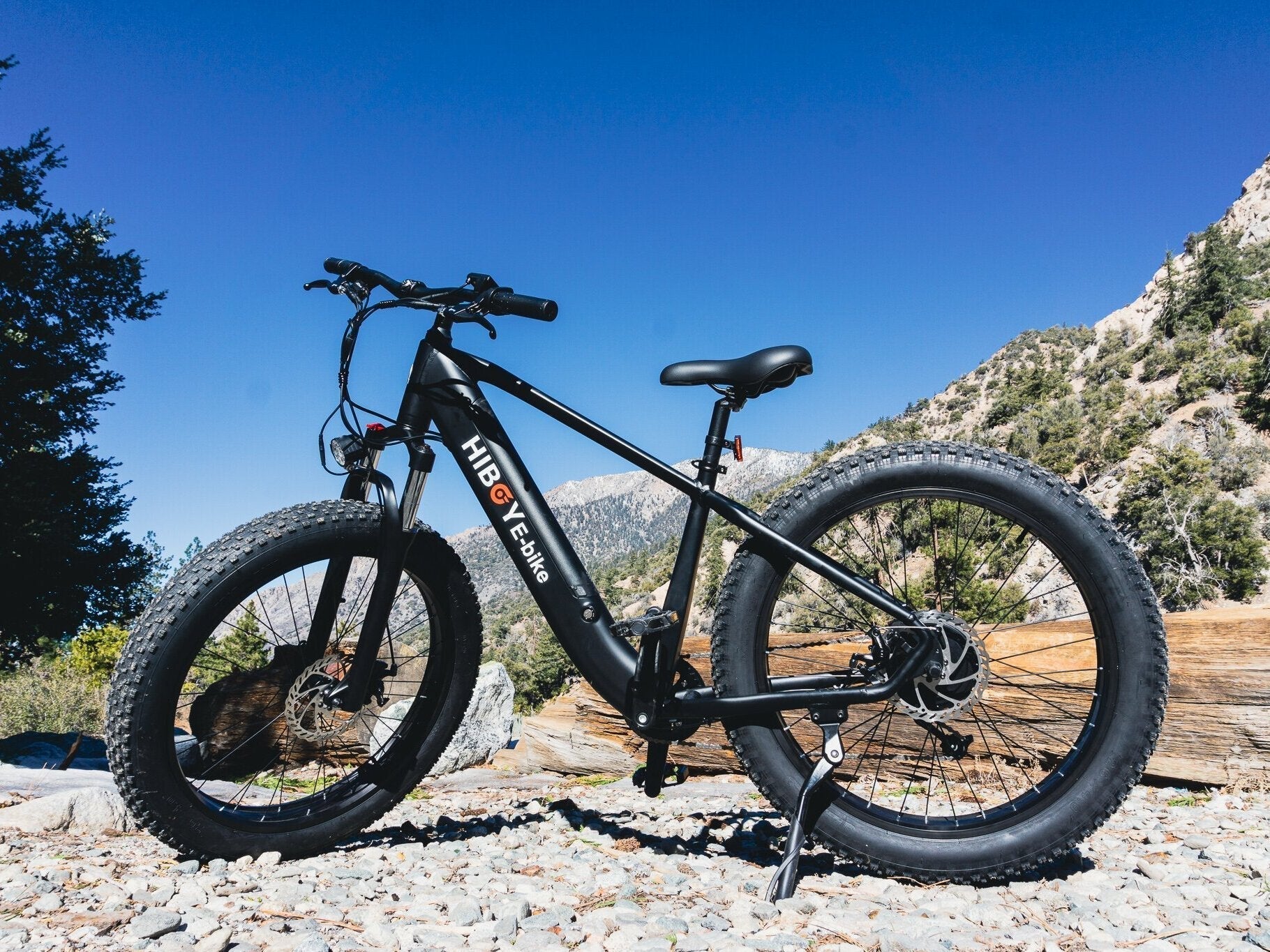
Electric bikes have rapidly become one of the most practical and enjoyable ways to travel in Canada. Whether you're commuting through downtown Toronto, exploring bike paths in Vancouver, or navigating hilly roads in Halifax, an eBike can make riding easier, faster, and more accessible.
However, not all electric bikes are created equal. With hundreds of models available, choosing the right one requires more than simply comparing prices. Factors such as motor power, battery range, legal requirements, weather performance, and riding style all play an important role in determining which eBike is right for you.
This guide covers everything Canadian riders should consider before purchasing an electric bike, helping you make a confident and informed decision.
Understand Canada's eBike Regulations
Before comparing specifications, it's important to understand how electric bikes are regulated in Canada.
While regulations vary slightly by province, most provinces define a legal electric bike as one that:
- Has operable pedals
- Uses an electric motor of 500W or less
- Has a maximum assisted speed of 32 km/h (20 mph)
- Meets applicable safety requirements

Typical Canadian eBike Requirements
| Requirement | Standard |
| Maximum Motor Power | 500W |
| Maximum Assisted Speed | 32 km/h |
| Pedals Required | Yes |
| License Required | No (in most provinces) |
| Registration Required | No (in most provinces) |
| Insurance Required | Typically No |
Always check your provincial regulations before purchasing, as local requirements may differ.
Determine Your Primary Riding Purpose
The best electric bike for one rider may be completely wrong for another.
Ask yourself:
- Will you primarily commute?
- Do you need an eBike for recreational rides?
- Will you ride on trails?
- Do you carry groceries or cargo?
- Do you plan to ride year-round?

Matching Bike Types to Riding Needs
| Riding Purpose | Recommended Bike Type |
| Daily Commuting | Commuter eBike |
| Urban Transportation | Folding eBike |
| Weekend Recreation | Cruiser eBike |
| Off-Road Adventures | Fat Tire eBike |
| Mixed Terrain | Hybrid eBike |
| Carrying Cargo | Cargo eBike |
Choosing a bike that aligns with your lifestyle will provide the best long-term value.
Evaluate Battery Capacity and Range
Battery performance is one of the most important factors affecting the ownership experience.
Many buyers focus solely on advertised range, but real-world performance depends on several factors:
- Rider weight
- Terrain
- Temperature
- Wind conditions
- Tire pressure
- Pedal assistance level
- Riding speed

Typical Range Expectations
| Battery Capacity | Estimated Range |
| 360–500Wh | 30–60 km |
| 500–700Wh | 50–90 km |
| 700–1000Wh | 80–130 km |
| 1000Wh+ | 100+ km |
For most Canadian commuters, a battery capable of 60–80 km per charge provides ample flexibility.
Cold Weather Considerations
Canadian winters can significantly affect battery performance.
Lithium-ion batteries generally experience:
- Reduced efficiency in cold temperatures
- Temporary range reduction
- Longer charging times
If you plan to ride during colder months, prioritize larger battery capacities and proper battery storage practices.

Understand Motor Power and Performance
Motor power affects acceleration, climbing ability, and overall ride feel.
Common Motor Sizes
| Motor Power | Best For |
| 250W | Flat urban riding |
| 350W | Casual commuting |
| 500W | Hills and varied terrain |
| 750W+ | Off-road and private-property use (where permitted) |
For most Canadian riders, a 500W motor strikes an excellent balance between legal compliance and performance.
Consider Local Terrain
Canada's geography varies dramatically.
Terrain-Based Recommendations
| Terrain Type | Recommended Features |
| Flat Urban Areas | Lightweight frame, efficient battery |
| Hilly Cities | 500W motor, multiple gears |
| Gravel Paths | Wider tires, front suspension |
| Snowy Conditions | Fat tires, powerful motor |
| Mixed Terrain | Suspension fork, hybrid design |
If your daily route includes steep hills, prioritize torque and climbing ability over top speed.

Choose the Right Tire Size
Tires directly impact comfort, traction, and handling.
Common eBike Tire Types
| Tire Type | Advantages |
| Narrow Tires | Efficient, fast, lightweight |
| Standard Tires | Balanced performance |
| Fat Tires | Superior stability and traction |
| Puncture-Resistant Tires | Reduced maintenance |
Fat tire eBikes are particularly popular in Canada because they perform well on:
- Snow
- Gravel
- Wet roads
- Uneven terrain
Their versatility makes them a strong choice for year-round riding.
Pay Attention to Braking Systems
An electric bike can travel faster and weigh more than a traditional bicycle.
That means braking performance matters.
Brake Comparison
| Brake Type | Performance |
| Mechanical Disc Brakes | Reliable and affordable |
| Hydraulic Disc Brakes | Superior stopping power |
| Rim Brakes | Less effective in wet conditions |
For riders facing hills, rain, or frequent commuting, hydraulic disc brakes are often worth the investment.

Assess Comfort and Riding Position
Comfort becomes increasingly important on longer rides.
Consider:
- Saddle quality
- Handlebar position
- Frame geometry
- Suspension
- Step-through versus step-over design
Frame Style Comparison
| Style | Best For |
| Step-Through | Easy mounting and daily commuting |
| Step-Over | Sportier riding and higher rigidity |
Many Canadian riders prefer step-through frames for urban transportation because they are easier to mount while wearing winter clothing or carrying bags.
Look for Safety Certifications
Safety should never be overlooked.
One important certification to look for is:
UL Certification
UL certification helps verify that critical electrical components have undergone independent safety testing.
Potential benefits include:
- Improved battery safety
- Reduced risk of electrical failures
- Greater consumer confidence
When shopping for an electric bike, look for manufacturers that prioritize recognized safety standards.

Check Battery Charging Time
Charging time can affect daily convenience.
Typical Charging Times
| Battery Size | Charging Time |
| Small Battery | 3–5 hours |
| Medium Battery | 4–7 hours |
| Large Battery | 6–9 hours |
If you commute daily, ensure the charging schedule fits your routine.
Consider Weight and Portability
Weight is often overlooked until the bike needs to be carried.
You may need to:
- Lift it into a vehicle
- Carry it upstairs
- Store it indoors
Typical eBike Weights
| Bike Type | Weight Range |
| Folding eBike | 20–30 kg |
| Commuter eBike | 22–35 kg |
| Fat Tire eBike | 30–40 kg |
| Cargo eBike | 35–50 kg |
Choose a weight that matches your storage situation and physical capabilities.

Evaluate Warranty and Customer Support
An electric bike is a significant investment.
Before purchasing, review:
- Warranty coverage
- Battery warranty
- Replacement parts availability
- Service support
- Customer reviews
A strong warranty often reflects a manufacturer's confidence in product quality.
Questions to Ask Before Buying
| Question | Why It Matters |
| What is covered under warranty? | Understand long-term protection |
| How long is battery coverage? | Batteries are costly components |
| Are replacement parts available? | Simplifies future repairs |
| Is customer support accessible in Canada? | Faster issue resolution |
Think About Long-Term Ownership Costs
The purchase price is only part of the equation.
Potential ongoing costs include:
- Replacement tires
- Brake pads
- Battery replacement
- Tune-ups
- Accessories
Fortunately, eBikes remain significantly less expensive to operate than automobiles.

Estimated Annual Ownership Costs
| Expense | Typical Cost |
| Electricity | Low |
| Basic Maintenance | Moderate |
| Tire Replacement | Occasional |
| Battery Replacement | Every several years |
Even when accounting for maintenance, electric bikes offer excellent long-term value.
Why More Canadians Are Choosing Electric Bikes
Electric bikes continue to grow in popularity because they offer:
- Lower commuting costs
- Reduced environmental impact
- Improved mobility
- Easier hill climbing
- Increased riding accessibility
- Health and fitness benefits
For many Canadians, an eBike provides the perfect balance between convenience, affordability, and enjoyment.
Why Hiboy Electric Bikes Are Built for Canadian Riders
Canadian riders face unique challenges, including long commuting distances, varied terrain, changing weather conditions, and seasonal riding demands.

Hiboy electric bikes are designed with these realities in mind, offering features that support everyday transportation and recreational riding alike.
Key benefits include:
- Powerful motors for confident hill climbing
- Long-range batteries for extended rides
- Durable frames built for daily use
- Fat tire options for enhanced stability
- Reliable braking systems for greater control
- Safety-focused design and quality components
Whether you're navigating city streets, exploring local trails, or looking for an alternative to rising transportation costs, Hiboy electric bikes provide a dependable and practical solution.
Final Thoughts
Buying an electric bike in Canada involves more than comparing speed or price. The right choice depends on your riding goals, local terrain, battery needs, comfort preferences, and long-term ownership expectations.
By carefully evaluating factors such as motor power, range, braking performance, safety certifications, and warranty coverage, you'll be better equipped to find an eBike that meets your needs for years to come.
The best electric bike is the one that fits your lifestyle, supports your daily transportation needs, and encourages you to ride more often. Taking the time to research before purchasing will help ensure you make an investment that delivers lasting value and enjoyment.






Partager:
Step-Through vs. Step-Over eBike: Pros, Cons, and Which Frame Fits Your Riding Style
Why Choose an Electric Scooter with a Seat for Commuting?