



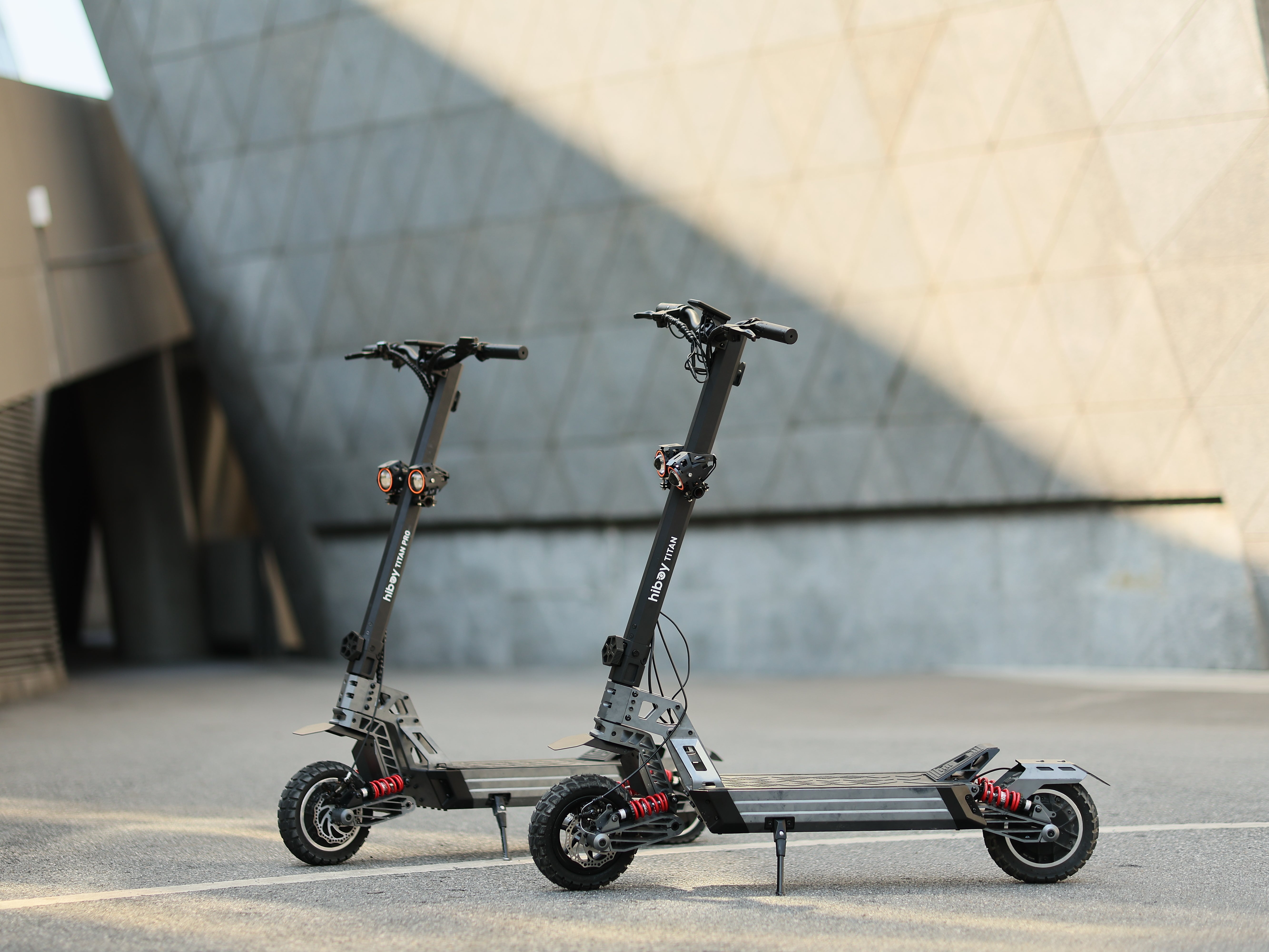
An electric scooter is more than just a convenient way to commute. For many riders, it is a daily transportation tool that helps reduce travel costs, avoid traffic, and enjoy more flexible mobility.
But like any vehicle, an electric scooter requires regular maintenance to stay safe, efficient, and reliable.
A common question among new and experienced riders is:
How often should you service an electric scooter?
The answer depends on several factors, including how frequently you ride, the distance you travel, weather conditions, storage habits, and the quality of your scooter’s components. A commuter riding every day through Canadian city streets will have different maintenance needs compared with someone who uses a scooter occasionally on weekends.
While electric scooters generally require less maintenance than cars or motorcycles, regular inspections and basic servicing are essential to prevent small issues from becoming expensive repairs.
In this guide, we’ll explain how often you should service an electric scooter, which components need attention, and how Canadian riders can keep their scooters performing at their best year-round.
Why Regular Electric Scooter Maintenance Matters
Electric scooters are built with relatively simple mechanical and electrical systems, but they still experience daily wear and tear.

Every ride exposes your scooter to:
- Road vibrations and impacts
- Dust and dirt buildup
- Temperature changes
- Moisture and rain
- Battery charging cycles
- Brake and tire wear
Over time, these factors can affect performance and safety.
Regular servicing helps you:
- Maintain braking performance
- Extend battery lifespan
- Improve riding comfort
- Prevent unexpected breakdowns
- Identify safety issues early
- Protect your investment
A well-maintained electric scooter can provide years of reliable transportation, while a neglected scooter may experience reduced range, poor braking, loose components, or premature battery degradation.
How Often Should You Service an Electric Scooter?
There is no universal service schedule that applies to every electric scooter. However, most riders can follow a general maintenance timeline based on usage.
Before Every Ride: Quick Safety Check
Before starting your ride, spend 30 seconds checking the basics.
Inspect:
Tires
Check:
- Tire pressure
- Visible damage
- Excessive wear
- Embedded objects such as glass or sharp debris

Proper tire pressure improves:
- Riding comfort
- Battery efficiency
- Handling stability
- Tire lifespan
Underinflated tires create more rolling resistance, which can reduce range and make the motor work harder.
Brakes
Test your brakes before riding, especially if you are commuting in traffic.
Check:
- Brake response
- Unusual noises
- Reduced stopping power
- Loose brake components
Brakes are one of the most important safety systems on an electric scooter. If stopping distance increases or the brake feels different, it should be inspected promptly.
Folding Mechanism and Stem
Many electric scooters feature folding designs for easier storage and transportation.
Before riding, make sure:
- The folding latch is fully locked
- The stem feels stable
- There is no unusual movement or looseness
A loose stem or folding mechanism can affect handling and rider confidence.

Battery Level and Exterior Condition
Check that:
- The battery has enough charge for your trip
- There are no visible cracks or damage
- Charging ports are properly covered
If you ride regularly, these quick checks become an easy habit that helps prevent problems.
Monthly Maintenance: A More Detailed Inspection
For regular riders, a monthly inspection is recommended.
If you commute daily, you may want to check your scooter every few weeks.
Check Tire Condition and Pressure
Tires are among the most frequently worn components on an electric scooter.
During your monthly check:
- Adjust tire pressure according to manufacturer recommendations
- Look for cracks or worn tread
- Inspect for uneven wear
For Canadian riders, tire condition is especially important because colder temperatures can affect tire pressure and traction.
Tighten Loose Screws and Bolts
Electric scooters experience constant vibration while riding.
Over time, screws and bolts may loosen, especially around:
- Handlebars
- Stem
- Folding mechanism
- Fenders
- Brake components
A simple inspection with the appropriate tools can prevent rattling, instability, and component damage.

Avoid overtightening, as excessive force can damage parts.
Clean Your Scooter
Regular cleaning helps protect your scooter’s components.
Remove:
- Dust
- Mud
- Road debris
- Salt residue
This is especially important in Canada during winter months, when road salt can accelerate corrosion on metal parts.
When cleaning:
- Use a damp cloth
- Avoid spraying water directly onto electrical components
- Keep charging ports dry
Even water-resistant electric scooters should not be treated as completely waterproof.
Every 3–6 Months: Routine Servicing
For riders who use their scooter frequently, a more thorough inspection every three to six months is recommended.
During this service interval, check:
Brake System
Depending on your scooter type, inspect:
- Brake pads
- Brake cables
- Disc alignment
- Electronic braking performance
Brake components naturally wear down with use, especially when riding:
- Hills
- Wet roads
- Heavy traffic areas
If you notice grinding sounds, reduced braking power, or vibration while braking, service should be performed sooner.

Battery Performance
The battery is one of the most important and expensive components of an electric scooter.
Every few months, monitor:
- Charging time
- Maximum range
- Battery percentage behavior
- Unusual heating during charging
A gradual reduction in range is normal as lithium-ion batteries age. However, sudden drops in performance may indicate a battery or electrical issue.
To extend battery life:
- Avoid completely draining the battery frequently
- Store the scooter with a moderate charge level if unused for long periods
- Avoid exposing the battery to extreme temperatures
- Use the original charger or a manufacturer-approved charger
Motor and Electrical System
Inspect:
- Motor noise
- Unusual vibrations
- Cable connections
- Charging port condition
If you hear abnormal sounds from the motor or experience inconsistent power delivery, professional inspection may be necessary.
Annual Electric Scooter Service: A Complete Checkup
Even if your scooter appears to work normally, an annual service is recommended for riders who use their scooter regularly.

A yearly inspection should include:
Full Bolt and Component Inspection
A technician or experienced owner should check:
- Frame condition
- Folding system
- Handlebar assembly
- Suspension components (if equipped)
- Wheel bearings
Battery Health Assessment
A yearly check can help determine:
- Battery condition
- Charging performance
- Expected remaining lifespan
Battery replacement is usually one of the biggest maintenance costs, so proper care can significantly extend ownership value.
Firmware and Software Updates
Some modern electric scooters include smart features and app connectivity.
Manufacturers may release updates that improve:
- Performance
- Battery management
- Safety features
- User experience
Check whether your scooter has available firmware updates through the manufacturer’s app or support channels.

Electric Scooter Maintenance Schedule at a Glance
| Maintenance Task | Recommended Frequency |
| Tire pressure check | Before every ride or weekly |
| Brake check | Before every ride |
| Clean scooter | Every few weeks or after dirty rides |
| Tighten bolts and screws | Monthly |
| Inspect tires and folding mechanism | Monthly |
| Check battery performance | Every 3–6 months |
| Inspect brakes and electrical system | Every 3–6 months |
| Professional inspection | Once per year |
Special Maintenance Tips for Canadian Electric Scooter Riders
Canada’s climate creates unique challenges for electric scooter maintenance.
Cold temperatures, snow, rain, and road salt can all affect performance and durability.
Riding in Cold Weather
Lithium-ion batteries are sensitive to temperature.
In colder conditions:
- Battery range may temporarily decrease
- Charging may take longer
- Acceleration may feel less responsive
For winter riding:
- Store your scooter indoors whenever possible
- Allow the battery to return to room temperature before charging
- Avoid charging immediately after riding in freezing temperatures

Protecting Your Scooter From Road Salt
Road salt is commonly used during Canadian winters to improve road safety, but it can contribute to corrosion.
After riding on salted roads:
- Wipe down metal surfaces
- Clean dirt buildup
- Keep electrical connection areas dry
Regular cleaning can significantly reduce long-term damage.
Storing Your Scooter During Winter
If you do not ride during the coldest months:
Before storage:
- Charge the battery to a moderate level
- Clean the scooter thoroughly
- Store it indoors in a dry location
- Check the battery periodically
Avoid leaving your scooter outside for extended periods, especially in freezing temperatures.
Signs Your Electric Scooter Needs Immediate Servicing
Some problems should not wait until your next scheduled inspection.
Seek maintenance if you notice:
Reduced Braking Performance
Possible causes include:
- Worn brake pads
- Brake adjustment issues
- Mechanical damage

Sudden Battery Range Loss
Possible causes include:
- Battery aging
- Electrical issues
- Temperature effects
Unusual Motor Sounds
Grinding, clicking, or abnormal vibrations may indicate:
- Motor problems
- Bearing wear
- Mechanical damage
Loose Steering or Wobbling
This can affect safety and may be caused by:
- Loose components
- Wheel issues
- Folding mechanism problems
Charging Problems
Stop using the scooter and inspect it if:
- The charger becomes unusually hot
- Charging stops unexpectedly
- The battery behaves unusually
Electrical problems should always be treated seriously.
Can You Service an Electric Scooter Yourself?
Many basic maintenance tasks can be performed at home, including:
- Checking tire pressure
- Cleaning the scooter
- Tightening bolts
- Inspecting brakes
- Checking battery condition

However, some repairs are better handled by professionals, especially:
- Battery replacement
- Electrical troubleshooting
- Motor repairs
- Controller issues
- Internal wiring problems
Attempting complex electrical repairs without proper knowledge can create safety risks and may affect warranty coverage.
How to Extend the Lifespan of Your Electric Scooter
Regular servicing is important, but riding habits also have a major impact on durability.
Follow these best practices:
Avoid Overloading the Scooter
Exceeding the recommended weight limit puts additional stress on:
- Motor
- Battery
- Frame
- Brakes
- Ride Smoothly
Aggressive acceleration, sudden braking, and rough terrain can increase component wear.
Smooth riding helps improve:
- Battery efficiency
- Tire lifespan
- Mechanical durability
Use the Correct Charger
Always use the charger recommended by the manufacturer.
Incorrect chargers may damage battery systems or create safety risks.
Store Properly
Keep your scooter:
- Dry
- Protected from extreme temperatures
- Away from direct sunlight for long periods
Proper storage is especially important for battery health.

Final Thoughts: Regular Maintenance Keeps Your Scooter Ready for Every Ride
An electric scooter does not require the same level of maintenance as a car, but it should never be treated as maintenance-free.
For most riders:
- Perform basic checks before rides
- Inspect key components monthly
- Complete deeper servicing every 3–6 months
- Schedule a full inspection annually
For Canadian riders, paying extra attention to cold temperatures, moisture, and road salt can make a significant difference in scooter performance and lifespan.
A few minutes of maintenance can help prevent costly repairs, improve safety, and ensure your electric scooter remains a reliable part of your daily transportation.
A well-maintained scooter is not just about protecting your investment, it is about making every ride safer, smoother, and more enjoyable.
Frequently Asked Questions
How often should I maintain my electric scooter?
For regular riders, basic checks should be performed before every ride, monthly inspections should cover tires and hardware, and a more detailed service should be completed every 3–6 months.
Do electric scooters need oil changes like motorcycles?
No. Electric scooters use electric motors instead of combustion engines, so they do not require oil changes. However, they still need maintenance for tires, brakes, batteries, and mechanical components.
How often should electric scooter tires be replaced?
Tire lifespan depends on riding habits, distance, terrain, and tire type. Inspect tires regularly and replace them when tread is worn, damaged, or when they no longer maintain safe traction.
Can rain damage an electric scooter?
Many electric scooters are designed to handle light rain, but they are not completely waterproof. Avoid riding through deep water and always dry your scooter after wet rides.
How can I make my electric scooter battery last longer?
Avoid frequent full discharges, use the correct charger, store the scooter properly, and avoid exposing the battery to extreme temperatures.
Should I service my electric scooter before winter?
Yes. Before winter riding, check tire condition, brakes, battery health, and ensure all components are clean and secure. Cold weather can significantly affect battery performance and traction.






Partager:
Fall Riding Guide: Prepare Your Scooter for Wet Leaves and Cold Mornings