



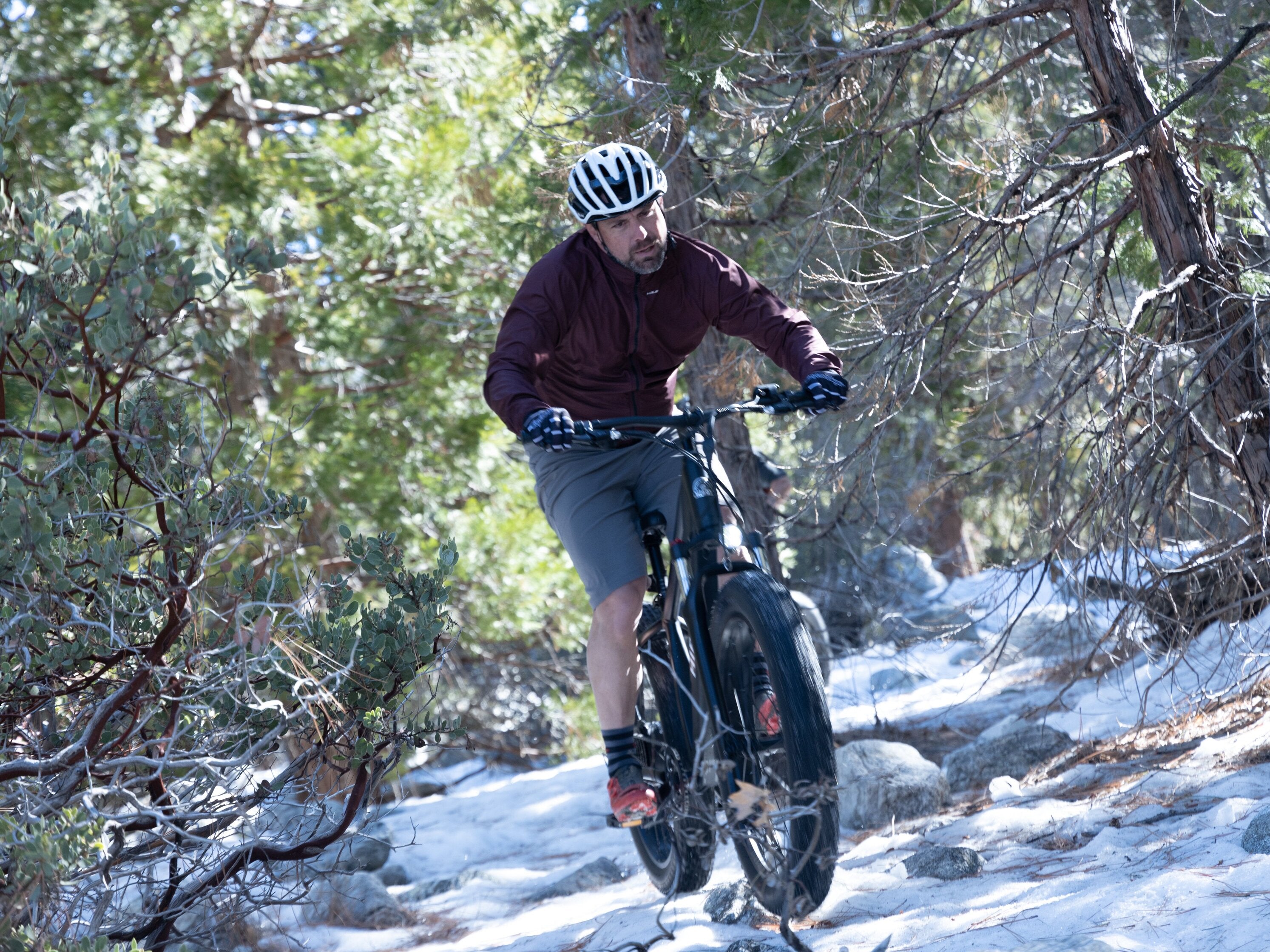
For many Canadian e-bike riders, winter brings a familiar surprise: the battery seems to run down much faster than it did during the summer.
An e-bike that comfortably handled a long commute in July may show noticeably less range on a cold January morning. Acceleration can feel softer, the battery percentage may fall faster than expected, and charging can take longer.
This does not necessarily mean the battery is failing.
Cold temperatures naturally affect the performance of lithium-ion batteries, which are widely used in modern e-bikes. As temperatures fall, the battery's internal resistance increases and its ability to deliver energy efficiently decreases. The result can be temporarily reduced range and power output.
For Canadian riders, understanding this relationship is especially important. From freezing mornings in Toronto and Montreal to extended periods of sub-zero temperatures across the Prairies, winter conditions can significantly change how an e-bike performs.
The good news is that cold-weather range loss is often temporary rather than permanent. With proper battery care, smart riding habits, and realistic range planning, you can get more consistent performance throughout the colder months.
Why Does Cold Weather Reduce E-Bike Battery Range?
Most modern e-bikes use lithium-ion batteries.
A lithium-ion battery generates electrical energy through the movement of ions between the battery's electrodes. Temperature affects how efficiently this electrochemical process occurs.
When the battery is cold, several things happen:
- Internal resistance increases.
- Chemical reactions inside the cells slow down.
- The battery cannot deliver energy as efficiently.
- Voltage can drop more quickly when the motor demands high power.
- The usable capacity available during the ride can temporarily decrease.
This is why an e-bike can appear to have less available energy in winter even though the battery has not necessarily lost permanent capacity.
Bosch's e-bike battery guidance specifically notes that as temperature decreases, battery efficiency is reduced because electrical resistance increases, resulting in reduced normal range during winter.
Hiboy's Canadian winter battery guide similarly explains that cold temperatures can cause reduced range and softer power output, with performance generally improving once the battery returns to warmer conditions.

Temporary Range Loss vs. Permanent Battery Degradation
This distinction is important.
If your e-bike normally travels farther in warm weather than in freezing temperatures, that does not automatically mean the battery has permanently lost capacity.
Cold-weather performance is often a temporary effect.
Once the battery returns to a more moderate temperature, much of the available performance can return. However, repeated improper charging or storage in extreme conditions can contribute to battery problems over time, which is why winter battery care matters.
How Much Does E-Bike Range Decrease in Cold Weather?
There is no single percentage that applies to every e-bike.
A rider in 5°C weather may experience a much smaller reduction than someone riding at -15°C. Likewise, a rider using low pedal assistance on flat pavement will generally consume less energy than someone climbing hills at high assistance while riding into a strong headwind.
Hiboy's Canadian winter guidance suggests that riders may experience approximately 20–40% temporary range loss in cold conditions.
Hiboy's battery guide also provides the following general illustration:
| Temperature | Approximate Range Compared With Mild Conditions |
| Above 15°C | Around 100% baseline |
| 5–15°C | Around 90–95% |
| 0–5°C | Around 75–85% |
| Below 0°C | Around 60–75% |
These figures should be treated as general guidance rather than a guarantee. Your actual range can vary considerably based on the battery, bike, rider, terrain, speed, wind, tire pressure, and riding mode.
For Canadian riders, the practical lesson is simple:
Plan for less range in winter than you would expect under mild-weather conditions.
If your normal summer commute uses 60% of your battery, don't assume that the same 60% will always be enough on a freezing winter morning.
Why Does Winter Riding Consume More Energy?
Cold temperatures are only one part of the equation.
Several winter conditions can combine to reduce your e-bike's effective range.

1. Cold Battery Temperature
This is the most obvious factor.
A battery that has been sitting overnight in a cold garage or shed starts the ride cold. The battery may initially deliver less usable energy than it would at a moderate temperature.
The colder the battery, the more noticeable the effect can become.
This is one reason storing the battery indoors can be beneficial when the design allows it. Trek and Electra, for example, recommend bringing e-bike batteries indoors during extreme cold and storing them in a temperature-controlled environment.
2. Snow and Slush Increase Rolling Resistance
Winter roads aren't always easy for an e-bike to roll across.
Snow, slush, wet pavement, and loose surfaces increase rolling resistance. The motor therefore has to work harder to maintain the same speed.
That additional energy consumption comes directly from the battery.
This is particularly relevant for fat-tire e-bikes. Wider tires can provide useful traction and stability in appropriate winter conditions, but tire pressure and surface conditions still affect efficiency.
3. Lower Tire Pressure
Cold weather can also affect tire pressure.
Lower pressure can increase rolling resistance, meaning the motor has to provide more energy to keep the bike moving.
Before a winter ride, check your tire pressure and maintain it within the manufacturer's recommended range.
Don't simply inflate the tires to the maximum possible pressure. The correct pressure depends on the tire, rider weight, terrain, and manufacturer's specifications.
4. Strong Winter Winds
A cold day is often accompanied by stronger winds.
A headwind increases aerodynamic resistance, forcing the motor to work harder to maintain speed.
This can be especially noticeable on an e-bike because riders often maintain a relatively consistent speed with motor assistance.
If you're riding directly into a strong winter headwind, expect higher energy consumption even if the temperature itself isn't extremely low.
5. Hills Require More Battery Power
Terrain is one of the biggest influences on the e-bike range.

Climbing requires the motor to overcome gravity, so an e-bike uses significantly more energy going uphill than riding on level ground.
Cold weather makes this more relevant because the battery is already operating less efficiently.
Hiboy notes that real-world e-bike range depends on factors including rider weight, terrain, temperature, wind, tire pressure, riding mode, and riding speed.
If your winter commute includes several long climbs, it's wise to build additional range into your planning.
Does Cold Weather Permanently Damage an E-Bike Battery?
Cold temperatures do not automatically mean your battery is being permanently damaged.
The more immediate effect is reduced performance.
However, temperature becomes particularly important when it comes to charging.
Lithium-ion batteries should not simply be connected to a charger immediately after being exposed to freezing temperatures. Charging specifications vary by battery system, so always follow the instructions for your specific e-bike.
As one example, Bosch battery systems use temperature controls that prevent charging outside their specified temperature range, and Bosch documentation lists a charging range of 0°C to 40°C for certain systems.
Hiboy's Canadian guidance similarly recommends allowing a cold battery to warm indoors before charging and avoiding charging a freezing battery.
A Simple Winter Rule
Cold ride → bring the battery indoors → let it warm up → then charge according to the manufacturer's instructions.
Don't try to speed up the process by placing the battery next to a heater or another intense heat source.
How to Protect Your E-Bike Battery During a Canadian Winter
Good battery habits can make a significant difference in winter.
1. Store the Battery Indoors
If your e-bike has a removable battery, bring it indoors when temperatures are expected to become very cold.
A temperature-controlled indoor environment is generally preferable to leaving the battery in an unheated garage, shed, or vehicle for extended periods.

Hiboy recommends storing batteries indoors at approximately 15–20°C when possible, while other e-bike manufacturers similarly recommend moderate, temperature-controlled storage.
The objective isn't to keep the battery warm. It's to avoid prolonged exposure to extreme temperatures.
2. Start Your Ride With a Moderate-Temperature Battery
A simple way to improve winter performance is to avoid starting with a battery that has been sitting in freezing conditions all night.
If you have a removable battery:
- Store it indoors.
- Charge it according to the manufacturer's instructions.
- Keep it indoors until you're ready to ride.
- Install it shortly before departure.
Starting with a battery at a more moderate temperature can improve its initial performance.
3. Don't Charge a Frozen Battery
This is one of the most important winter battery rules.
If the battery has been outside in freezing conditions, don't immediately plug it into the charger.
Bring it inside and allow it to return to an appropriate temperature first.
Different batteries have different charging specifications, so always check your Hiboy model's documentation before charging.
4. Avoid Leaving the Battery in Your Car
A car parked outdoors can become extremely cold in winter.
If you are transporting your e-bike and the battery is removable, consider bringing the battery inside rather than leaving it in the vehicle for an extended period.
The same principle applies to overnight storage.
5. Keep the Battery Dry
Canadian winter riding often means exposure to snow, slush, road spray, and moisture.
After riding, inspect the battery compartment and surrounding areas and wipe away excess moisture.
Road salt deserves particular attention. Salt and moisture can contribute to corrosion on exposed components and connections.
Hiboy recommends drying the battery area after wet or salty rides and keeping the battery protected from moisture.

How to Get More E-Bike Range in Canadian Winter
You can't eliminate the effect of cold weather, but you can reduce unnecessary energy consumption.
Use a Lower Assistance Level When Appropriate
Higher assistance levels require more energy.
If you're riding on flat pavement, consider using a lower assistance level rather than maximum assistance.
Save higher assistance for:
- Steep hills
- Strong headwinds
- Difficult surfaces
- Situations where additional motor support is genuinely useful
This can help preserve battery capacity for later in the ride.
Maintain a Consistent Riding Style
Repeated hard acceleration requires more energy than maintaining a relatively steady pace.
Smooth acceleration and consistent riding can improve efficiency.
This is especially useful in winter because battery performance is already being affected by lower temperatures.
Check Tire Pressure Regularly
Proper tire pressure is one of the easiest things you can control.
Check your tires regularly, especially when the temperature changes significantly.
Use the pressure recommended for your specific tires and riding conditions rather than relying on a generic winter setting.
Reduce Unnecessary Weight
The heavier the total system, rider, bike, cargo, and accessories, the more energy is required to accelerate and climb.
You don't need to strip your bike down for winter, but removing unnecessary cargo can help maximize efficiency.
Plan a Winter Range Buffer
This is perhaps the most practical recommendation.
If your route normally consumes 50% of your battery in mild weather, don't plan your winter commute around having exactly 50% remaining.
Instead, leave yourself a reasonable reserve.
This is especially important when:
- Temperatures are below freezing
- Your route contains significant hills
- You're riding into strong winds
- You are carrying heavy cargo
- Your battery is older
- You are using higher assistance levels
The goal is to make your winter range predictable rather than optimistic.

Does a Larger Battery Help in Winter?
Yes, but with an important qualification.
A larger battery does not make lithium-ion cells immune to cold temperatures. Cold conditions can still reduce the battery's effective performance.
However, starting with more battery capacity gives you a larger margin when winter conditions reduce range.
For example, if two e-bikes experience a similar percentage reduction in range, the model with the larger battery may still provide substantially more usable distance.
Battery capacity is measured in watt-hours (Wh), calculated by multiplying voltage by amp-hours:
Wh = V × Ah
For example:
48V × 15Ah = 720Wh
A higher Wh rating generally means more stored energy, although real-world range still depends on terrain, rider weight, speed, assist level, temperature, wind, and other factors.
This is why Canadian riders who regularly travel longer distances should consider their winter range requirements, rather than choosing an e-bike solely based on its advertised maximum range.
What About Hiboy E-Bikes in Canadian Winter?
Hiboy's Canadian e-bike lineup includes models designed for different riding priorities, from urban commuting to longer-distance and mixed-terrain riding.
When choosing an e-bike for Canadian conditions, battery capacity should be considered alongside:
- Motor performance
- Tire type
- Suspension
- Rider weight
- Range
- Riding position
- Weather exposure
- Storage conditions
For riders who expect to ride during colder months, selecting a model with sufficient battery capacity can provide a useful range buffer.
For example, Hiboy's Canadian buying guidance recommends considering additional battery capacity if you expect to ride in cold weather because low temperatures can reduce battery efficiency.
But battery capacity isn't the only consideration.
Tires and stability matter too.
Wider tires can offer greater stability and traction on appropriate winter surfaces, while suspension can improve comfort over rough pavement. Hiboy's Canadian guidance notes that fat tires can be advantageous on snow, gravel, sand, and rough roads.
That said, no e-bike tire can eliminate the risks of ice. Snow, freezing rain, black ice, and heavily accumulated slush can dramatically reduce traction. Riders should always assess road conditions before deciding whether a winter ride is appropriate.
Can You Ride an E-Bike in Canadian Winter?
Yes, but winter riding requires more preparation.
The biggest issue isn't simply temperature.
A cold, dry road is very different from an icy road covered with fresh snow or slush.

Canadian winter riders should pay attention to:
Battery
Expect reduced range and allow a larger battery reserve.
Tires
Check pressure and make sure your tires are appropriate for the surface you're riding on.
Brakes
Cold, wet, snowy, or icy conditions can increase stopping distances. Brake earlier and more gently.
Visibility
Winter brings shorter daylight hours, snow, and potentially reduced visibility. Use appropriate front and rear lighting and wear visible clothing.
Road Salt
Salt and moisture can accelerate corrosion. Clean and dry your e-bike after exposure to salted roads.
Ice
When surfaces are icy or conditions are otherwise unsafe, the safest option may be to leave the e-bike at home.
Hiboy's Canadian winter riding guidance specifically recommends avoiding heavy snowfall, freezing rain, severe ice accumulation, and other conditions where traction and visibility are compromised.
How to Store an E-Bike During the Canadian Winter
If you don't plan to ride throughout winter, proper storage becomes even more important.
Before Storage
- Clean the bike thoroughly.
- Remove road salt, dirt, and moisture.
- Check the tires.
- Inspect the brakes.
- Store the battery according to the manufacturer's recommended charge level.
- Keep the battery in a cool, dry, temperature-controlled environment.
For long-term storage, Hiboy recommends maintaining the battery at a partial charge rather than leaving it completely empty or continuously at full charge. Its Canadian battery guidance recommends approximately 40–60% charge for long-term storage.
Electra also recommends storing batteries in a cool, dry environment and maintaining an appropriate charge level during long-term storage.
Always prioritize the storage instructions provided for your specific Hiboy model.
Frequently Asked Questions
Does cold weather reduce e-bike battery range?
Yes. Cold temperatures reduce the efficiency of lithium-ion batteries, which can temporarily reduce available range and power output. The size of the effect depends on temperature and riding conditions.
How much range does an e-bike lose in winter?
There is no universal percentage. Hiboy's Canadian guidance notes that riders may experience approximately 20–40% temporary range loss in cold conditions, but actual results depend on temperature, rider weight, terrain, riding mode, speed, wind, tire pressure, and battery condition.
Should I charge my e-bike battery in the cold?
You should follow the charging temperature specified for your particular battery. In general, avoid charging a freezing-cold lithium-ion battery. Allow it to return to an appropriate temperature before charging.
Should I keep my e-bike battery indoors during winter?
If the battery is removable, storing it indoors in a cool, dry, temperature-controlled environment is generally preferable to prolonged exposure to extreme cold.
Does cold weather permanently damage an e-bike battery?
Cold temperatures primarily cause a temporary reduction in battery performance. However, improper charging, storage, moisture exposure, and other forms of misuse can affect battery health over time. Follow the manufacturer's temperature and charging instructions.
Can I ride my e-bike below 0°C?
Whether you should ride depends on both the e-bike's operating specifications and the road conditions. Freezing temperatures can reduce battery performance, while snow and ice can dramatically reduce traction. Always follow your model's operating guidelines and avoid unsafe surfaces.
How can I maximize winter e-bike range?
Start with a properly stored battery, maintain correct tire pressure, use lower assistance when appropriate, ride smoothly, reduce unnecessary weight, and leave extra range for hills, wind, and cold temperatures.
Final Thoughts: Plan for Winter, Don't Fear It
Cold weather is simply part of owning and riding an e-bike in Canada.
When temperatures drop, a lithium-ion battery cannot deliver energy as efficiently as it can under moderate conditions. That means shorter range, potentially lower power output, and different charging requirements.
But a reduction in winter range doesn't automatically mean your battery is failing.
The most effective approach is to understand what is happening and adjust accordingly.
Store the battery properly. Keep it away from extreme cold when possible. Never charge a freezing battery. Maintain proper tire pressure. Use assistance strategically. Allow extra range for hills and wind. And always prioritize road conditions over your riding plans.
Most importantly, don't judge an e-bike solely by its advertised maximum range. For Canadian riders, the better question is:
"How much usable range can I realistically expect in the conditions where I actually ride?"
Once you account for temperature, terrain, riding style, and battery care, you can choose an e-bike with an appropriate range buffer, and enjoy more reliable performance throughout Canada's colder months.






Partager:
Hiboy E-Bike vs. Traditional Bike: Is It Worth Upgrading?