



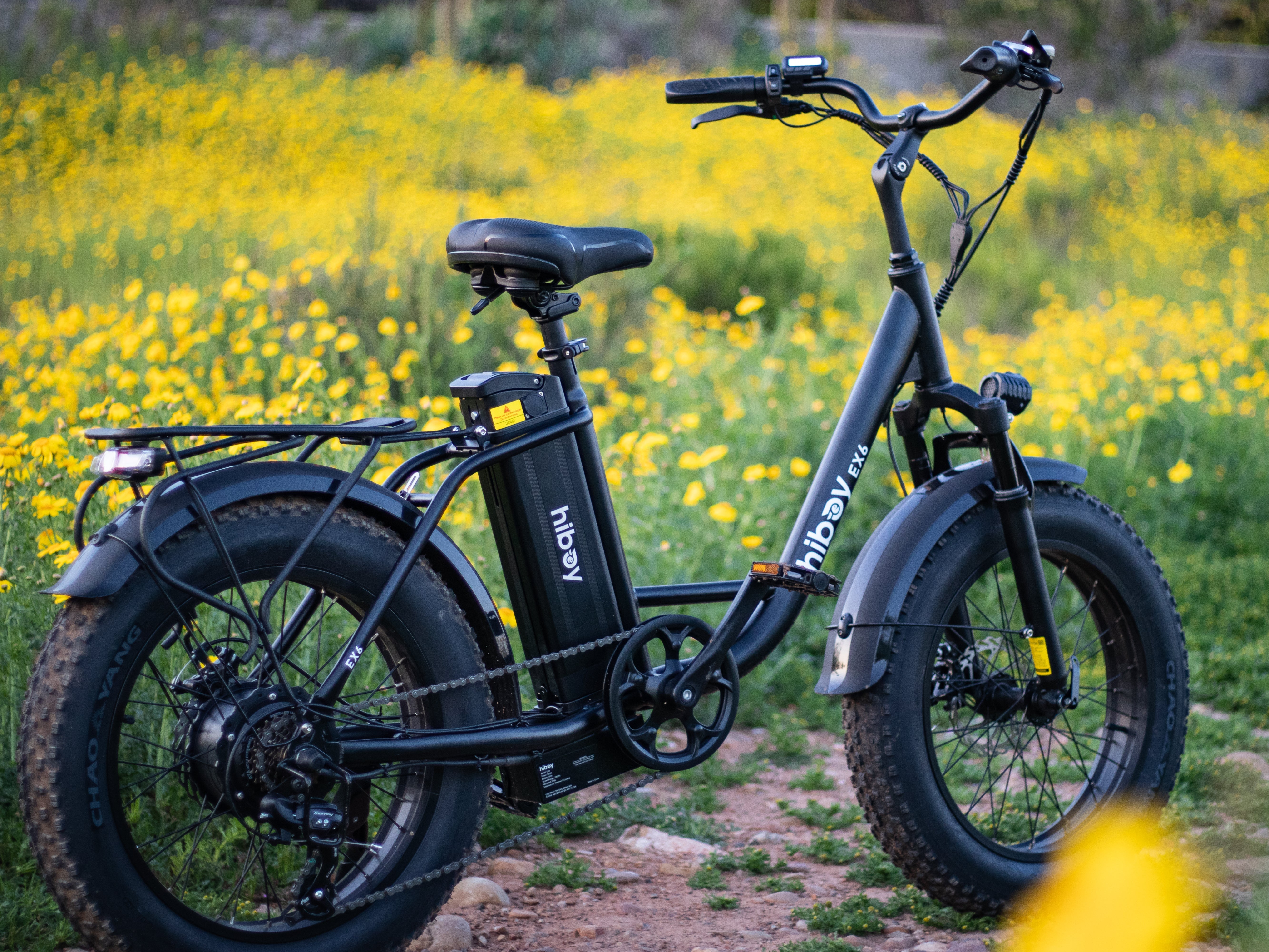
Au Canada, la diversité des conditions de conduite, les hivers longs, les printemps humides, les sentiers d'été poussiéreux et les routes hivernales salées font d'un bon entretien de votre vélo électrique bien plus qu'une simple bonne pratique. C'est essentiel pour la sécurité, la performance et la valeur à long terme.
Que vous vous déplaciez dans le centre-ville de Toronto, que vous empruntiez les pistes cyclables de Vancouver ou que vous exploriez les chemins de gravier en Alberta, ce guide vous aidera à maintenir votre vélo électrique Hiboy en parfait état toute l'année.
Entretien de la batterie : le cœur de votre vélo électrique
Les basses températures représentent le plus grand défi pour les batteries de vélos électriques au Canada, car les cellules lithium-ion sont sensibles au froid extrême et aux mauvaises habitudes de chargement.

Meilleures pratiques pour la météo canadienne
- Rangez la batterie à l'intérieur pendant l'hiver : Les batteries lithium-ion fonctionnent mieux entre 10°C et 25°C. Laisser la batterie dans un garage non chauffé ou à l'extérieur peut réduire sa capacité de manière permanente au fil du temps. Retirez toujours la batterie et rangez-la dans une pièce sèche et à température stable.
- Évitez de charger dans des conditions de gel : Ne chargez jamais une batterie froide. Après avoir roulé en hiver, laissez la batterie se réchauffer à l'intérieur pendant 1 à 2 heures avant de la brancher. Charger en dessous de 0°C peut endommager les cellules internes.
- Maintenez un niveau de charge sain pour le stockage : Si vous ne roulez pas pendant plusieurs semaines, maintenez la batterie chargée entre 20 % et 80 %. Cette plage aide à ralentir le vieillissement de la batterie, surtout pendant les longs hivers canadiens.
- Utilisez le chargeur Hiboy d'origine : Les chargeurs Hiboy sont conçus pour correspondre à la tension et à la courbe de charge de la batterie. L'utilisation de chargeurs tiers augmente le risque de surchauffe, de déséquilibre de tension ou de dommages à long terme de la batterie.
💡 Par temps froid, vous pouvez constater une réduction de l'autonomie allant jusqu'à 30 %. C'est normal, temporaire, et la performance retrouvera son niveau normal lorsque les températures augmenteront.
Entretien des pneus pour les routes et sentiers canadiens
Des rues de ville pleines de nids de poule aux chemins de gravier et aux sentiers polyvalents, les surfaces de conduite canadiennes soumettent les pneus des vélos électriques à un stress supplémentaire. Des vérifications régulières contribuent à améliorer la sécurité, le confort et l'autonomie.

Ce qu'il faut vérifier régulièrement
- Pression des pneus : Vérifiez au moins une fois par semaine. Les températures froides entraînent une baisse plus rapide de la pression en PSI en hiver, augmentant la résistance au roulement et le risque de crevaison par pincement.
- Usure de la bande de roulement : Remplacez les pneus lorsque la bande de roulement devient peu profonde ou lisse. Une bonne bande de roulement est particulièrement importante sur les chaussées humides, les feuilles mortes et les conditions glaciales.
Ajustements saisonniers de la pression :
- Été : PSI légèrement plus élevé pour l'efficacité et une plus grande autonomie
- Automne/Hiver : PSI légèrement plus bas pour améliorer l'adhérence et la stabilité
Les cyclistes des régions enneigées ou très graveleuses peuvent bénéficier de pneus plus larges ou de modèles résistants aux perforations pour une adhérence et une durabilité accrues.
Système de freinage : essentiel pour les conditions humides et glaciales
La pluie, la neige, le sel de voirie et le gravier signifient que vos freins travaillent plus fort au Canada que dans les climats plus doux.

Conseils d'entretien
- Inspectez les plaquettes de frein tous les mois : Le sel et les débris accélèrent l'usure des plaquettes, surtout en hiver et au début du printemps.
- Nettoyez régulièrement les disques de frein : Utilisez de l'alcool isopropylique pour éliminer les résidus de sel et prévenir le bruit ou la réduction de la puissance de freinage.
- Testez la distance de freinage après avoir roulé sous la pluie ou la neige pour assurer une performance de freinage constante.
- Si vous remarquez des sifflements, des vibrations ou un freinage plus faible, ajustez ou remplacez les plaquettes immédiatement.
⚠️ Des freins fiables sont particulièrement importants pendant l'accumulation de feuilles en automne et la fonte des neiges au printemps.
Nettoyage de votre vélo électrique (surtout après l'hiver)
Le sel de voirie est l'une des plus grandes menaces pour la longévité des vélos électriques au Canada, entraînant la corrosion s'il n'est pas contrôlé.
Routine de nettoyage sûre
- Essuyez le cadre après des sorties humides ou salées.
- Utilisez une brosse douce et du savon doux, jamais d'eau à haute pression.
Évitez de pulvériser directement sur :
- Les connecteurs de batterie
- Le moyeu moteur
- L'écran et les boutons de commande
Séchez soigneusement et appliquez un lubrifiant antirouille sur la chaîne et les boulons exposés.
❄️ Les cyclistes hivernaux devraient nettoyer leur vélo chaque semaine pour prévenir la rouille et les problèmes électriques.
Entretien de la chaîne et de la transmission
Le sel, l'humidité et le gravier peuvent rapidement user la transmission si elle n'est pas entretenue.

Maintenez-le en douceur
- Nettoyez la chaîne tous les 100 à 150 km, ou plus souvent en hiver.
- Utilisez un lubrifiant résistant aux intempéries, conçu pour les conditions humides.
- Essuyez l'excès d'huile pour éviter l'accumulation de saleté.
Une chaîne propre et bien lubrifiée améliore l'efficacité, réduit le bruit et contribue à prolonger la durée de vie du moteur.
Vérifications du système électrique
Les grandes variations de température au Canada peuvent desserrer les connexions et solliciter les composants électriques.
Inspection mensuelle
- Vérifiez les connexions des câbles pour détecter l'humidité ou la corrosion.
- Assurez-vous que l'affichage et les commandes répondent correctement.
- Recherchez une isolation fissurée après une exposition à un froid extrême.
Si votre vélo électrique a été stocké pendant l'hiver, effectuez une vérification électrique complète avant votre première sortie de printemps.
Boulons, cadre et suspension
Les routes difficiles, les vibrations et les changements de température peuvent progressivement desserrer les composants.

- Vérifiez tous les boulons principaux toutes les 4 à 6 semaines.
- Portez une attention particulière à la potence du guidon, à la tige de selle et aux axes de roue.
Pour les vélos avec suspension, nettoyez les composants et inspectez régulièrement les joints pour éviter une usure prématurée.
Guide d'entretien saisonnier du vélo électrique (Canada)
| Saison | Conditions de conduite principales | Objectif d'entretien clé | Ce qu'il faut faire |
| Printemps 🌱 | Routes humides, boue, sel de voirie résiduel | Nettoyage en profondeur et inspection | Lavez soigneusement le cadre et la transmission ; vérifiez la corrosion hivernale ; inspectez les plaquettes et les disques de frein ; serrez les boulons ; vérifiez les connexions électriques |
| Été ☀️ | Chaussée sèche, chaleur, longues sorties | Performance et efficacité | Surveillez la température de la batterie ; évitez la surcharge ; vérifiez la pression des pneus chaque semaine ; lubrifiez la chaîne régulièrement ; inspectez les pneus pour l'usure |
| Automne 🍁 | Pluie, feuilles, températures plus fraîches | Sécurité et traction | Réduisez légèrement le PSI des pneus pour l'adhérence ; inspectez les freins plus souvent ; nettoyez la transmission après des sorties humides ; vérifiez les lumières et les réflecteurs |
| Hiver ❄️ | Froid, neige, glace, sel de voirie | Protection et rangement | Rangez la batterie à l'intérieur ; évitez de charger en dessous de 0°C ; nettoyez fréquemment les résidus de sel ; lubrifiez la chaîne avec un lubrifiant pour conditions humides ; envisagez le remisage hivernal si vous ne roulez pas |
Conseils rapides de pro canadiens
- L'autonomie de la batterie diminue en hiver ; c'est normal et temporaire.
- Le sel de voirie est la principale cause de corrosion. Nettoyez tôt et souvent.
- La pression des pneus fluctue davantage par temps froid ; vérifiez-la chaque semaine.
Conseils de remisage hivernal pour les cyclistes canadiens
Si vous ne roulez pas pendant l'hiver :
- Nettoyez soigneusement le vélo.
- Retirez et rangez la batterie à l'intérieur.
- Maintenez la batterie chargée à environ 50 %.
- Rangez-la dans un endroit sec et à température stable.
- Gonflez légèrement les pneus au-dessus de la normale pour éviter les points plats.

Quand visiter un atelier de réparation de vélos professionnel
Même avec un bon entretien à domicile, prévoyez une mise au point professionnelle une fois par an, idéalement au printemps. Un technicien certifié peut :
- Diagnostiquer les problèmes de moteur ou de contrôleur
- Aligner précisément les freins et les vitesses
- Mettre à jour le micrologiciel (si applicable)
- Fournir un tableau comparatif d'entretien saisonnier
Réflexions finales
L'entretien de votre vélo électrique au Canada n'est pas difficile, mais il exige de la régularité et une connaissance du climat. Avec des soins appropriés, votre vélo électrique Hiboy vous offrira des performances fiables pour vos trajets urbains, vos aventures du week-end et les changements de saisons.
Un peu d'entretien fait beaucoup, roulez plus intelligemment, plus sûrement et plus longtemps 🇨🇦🚴♂️






Partager:
Trottinettes électriques tout-terrain : Est-ce que ça vaut le coup au Canada ?
Conquérir la neige, la gadoue et les sentiers : les vélos électriques à pneus larges sont-ils meilleurs pour les routes canadiennes ?