



As electric mobility becomes more common across Canada, more riders are deciding between two popular options: electric bikes and electric scooters.
Both offer practical alternatives to driving. They can help reduce commuting costs, avoid traffic, and make short trips easier. But for many riders, especially parents, commuters, and first-time buyers, one question usually comes before range or speed:
Which one is safer?
The answer is not as simple as saying one vehicle is always safer than the other.
Safety depends on several factors:
- Riding environment
- Weather conditions
- Road surface quality
- Rider experience
- Infrastructure
- Vehicle design
- Riding behavior
In Canada, the answer becomes even more interesting because riding conditions differ dramatically throughout the year. Smooth bike lanes in Vancouver create a very different experience from spring potholes in Toronto or wet autumn streets in Montreal.

Looking at real-world use rather than marketing claims:
eBikes generally provide greater stability and confidence for most riders, while eScooters can still be safe and practical when used appropriately for shorter urban trips.
Let's look at why.
Safety Starts With Vehicle Design
One of the biggest differences between eBikes and eScooters is simply how they are built.
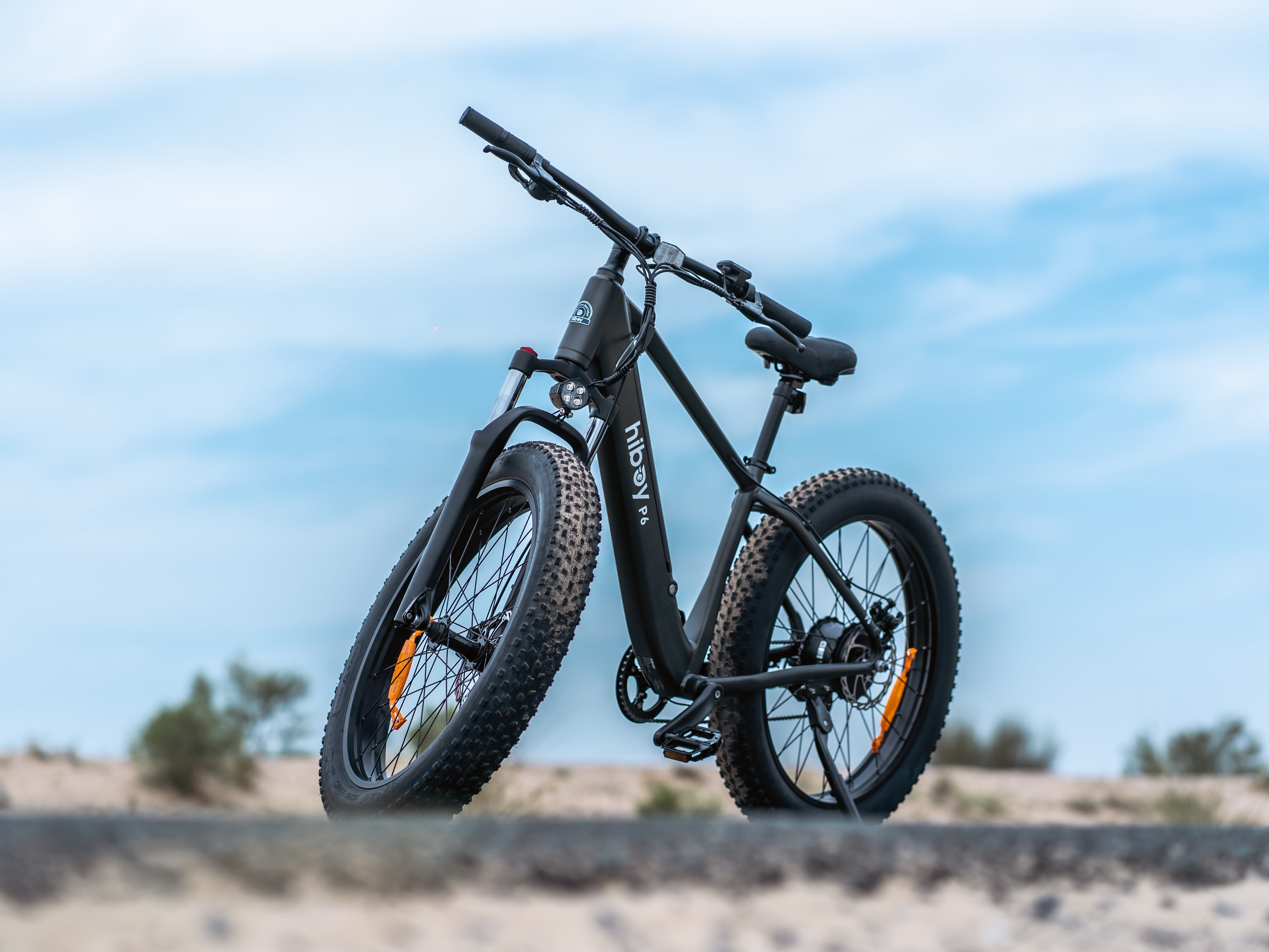
Electric bikes typically offer:
- Larger wheels
- Seated riding position
- Wider tire contact area
- More stable geometry
- Better shock absorption
Electric scooters usually have:
- Smaller wheels
- Standing position
- Shorter wheelbase
- Compact design
- Greater portability
These differences significantly affect riding behavior.
Larger wheels naturally roll over:
- Cracks
- Uneven pavement
- Small obstacles
- Road imperfections
Smaller scooter wheels can react more sharply to the same conditions.

That matters in Canada, where seasonal road wear often creates challenging surfaces.
After winter freeze-thaw cycles, many Canadian streets develop:
- Potholes
- Surface cracks
- Uneven pavement
- Loose gravel after snow removal
Riders in cities such as Toronto, Ottawa, Calgary, and Montreal often see road conditions change noticeably between seasons.
In these situations, larger wheels generally provide a more forgiving ride.
Advantage: eBike
Canadian Weather Changes the Safety Conversation
Canada's riding season can vary greatly depending on location.
In many regions:
Spring
- Melting snow creates wet roads
- Sand and gravel remain on streets
- Potholes become more visible
Summer
- Highest riding activity
- More cyclists and pedestrians
- Construction zones increase
Fall
- Wet leaves reduce traction
- Earlier sunsets reduce visibility
Even during warmer months, weather can change quickly.
For example:
A sunny afternoon ride in Vancouver may suddenly become rainy.
A morning commute in Calgary may feel very different by evening.
Road conditions influence both vehicle types, but eBikes generally handle changing surfaces more comfortably because of:
- Larger tires
- More traction
- Improved stability
Scooters can still perform well, but riders often need greater caution when conditions become wet or uneven.
- Advantage: eBike

Stopping Distance Matters More Than Speed
Many people assume speed automatically determines safety.
In reality, control and stopping ability often matter more.
Electric bikes and electric scooters sold in Canada frequently operate within similar speed ranges depending on regulations and product categories.
But stopping performance depends on additional factors:
- Tire size
- Braking systems
- Rider balance
- Weight distribution
Larger tires often create:
- Better road contact
- More predictable braking
- Increased confidence during emergency stops
On wet pavement or rough surfaces, maintaining control can become particularly important.
Visibility on Canadian Roads
Visibility is often overlooked when discussing safety.
Many Canadian commuters ride during:
- Early mornings
- Evening rush hours
- Cloudy weather
- Shorter daylight periods in fall
eBikes often place riders slightly higher than scooters.

That can improve:
- Driver visibility
- Sight lines at intersections
- Awareness in traffic
Being more visible may help drivers notice riders earlier.
Of course, visibility also depends heavily on:
- Front and rear lights
- Reflective gear
- Helmet use
- Rider behavior
Where eScooters Have Safety Advantages
This doesn't mean eScooters lose every category.
In certain situations, they can actually reduce some risks.
Lower speed for many riders
Many people naturally ride scooters more cautiously over short distances.
For quick urban trips, riders may travel at lower average speeds than on bikes.
Better for short, predictable routes
Scooters work particularly well for:
- Campus transportation
- Downtown commuting
- Last-mile travel
- Dedicated bike lane networks
For example, riding several kilometres through protected bike infrastructure in parts of Vancouver or Montreal can feel comfortable and manageable.
Easier for multimodal commuting
Some Canadian commuters combine:
Train + scooter
Bus + scooter
Transit + walking
Portable scooters can reduce long walking segments while avoiding car traffic entirely.

Infrastructure Also Changes Safety Outcomes
Canadian cities continue expanding cycling and micromobility infrastructure, but development varies significantly by region.
Some cities now have:
- Protected bike lanes
- Shared-use paths
- Traffic-calmed neighbourhoods
- Dedicated cycling networks
Others still have limited infrastructure.
This affects safety more than many riders expect.
For example:
A scooter on a smooth protected lane may feel extremely comfortable.
The same scooter on rough pavement beside fast-moving traffic may feel very different.
Vehicle safety is only one part of the equation.
Infrastructure matters too.
Rider Behavior Often Matters More Than Vehicle Choice
Research and accident trends repeatedly show one important point:
The vehicle itself does not determine every outcome.
Riding habits play a major role.
Regardless of whether you ride an eBike or eScooter:
Safe habits include:
- ✓ Wear a helmet
- ✓ Use lights even during lower-light conditions
- ✓ Follow local regulations
- ✓ Avoid distracted riding
- ✓ Slow down on wet surfaces
- ✓ Check brakes and tires regularly
- ✓ Stay alert at intersections
Many incidents happen because of:
- Excessive speed
- Poor visibility
- Rider inexperience
- Unexpected road conditions
Not simply because of vehicle type.

So, Are eBikes Safer Than eScooters?
For most Canadian riders:
Yes, eBikes generally offer stronger overall safety advantages.
They typically provide:
- ✓ Better stability
- ✓ Larger wheels for uneven roads
- ✓ Greater comfort on longer rides
- ✓ Improved handling in changing conditions
- ✓ More confidence for beginners
However, that does not make eScooters unsafe.
For shorter city trips, smoother routes, and riders prioritizing convenience, scooters can still be practical and safe transportation tools.
The better question may not be:
"Which is safer?"
Instead, ask:
"Which option matches where and how I actually ride?"
Because in Canada, a safe ride depends on much more than the vehicle itself.
It depends on the road, the weather, the season, and the choices riders make every time they head out.






Partager:
Rain Riding Tips for eBike or eScooters in Vancouver: A Guide for Wet Weather Commuting
Are eBikes Good for Exercise? What Science and Real-World Experience Tell Us