



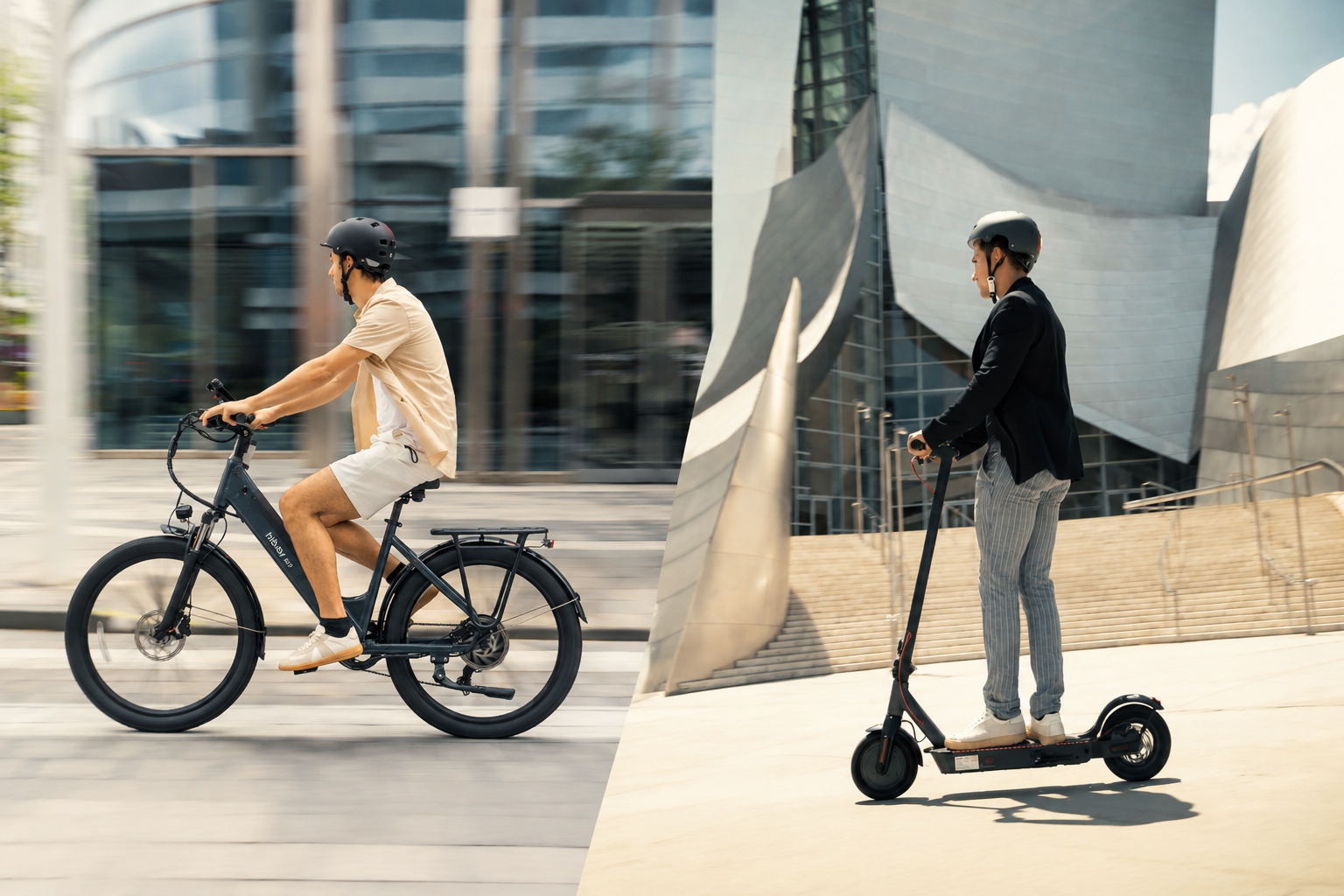
As the new school year approaches, many students and parents begin looking for better ways to handle daily transportation. For some families, the traditional routine of driving to school every morning is becoming less practical due to rising fuel costs, busy schedules, and increasing traffic congestion.
At the same time, electric bikes (e-bikes) and electric scooters are becoming increasingly popular transportation options for students across Canada. They offer a convenient, affordable, and environmentally friendly way to travel between home, school, sports activities, and after-school events.
But are they really worth the investment for students?
The answer depends on several factors, including commute distance, local regulations, safety considerations, weather conditions, and how often the vehicle will be used.
This guide explores the benefits and limitations of e-bikes and electric scooters for students, helping parents and riders determine whether they are the right choice for back-to-school transportation.
Why Students Are Considering Electric Transportation
The way students travel is changing. While school buses, public transit, and family vehicles remain common options, electric mobility offers a new alternative for shorter daily trips.

Some of the main reasons students are choosing e-bikes and electric scooters include:
- Avoiding traffic congestion around schools
- Reducing dependence on parents for rides
- Saving money compared with driving
- Enjoying more independence
- Reducing environmental impact
- Making short-distance commuting faster and more convenient
For students living a few kilometres away from school, an electric vehicle can fill the gap between walking and driving.
E-Bikes vs. Electric Scooters: Which Is Better for Students?
Both e-bikes and electric scooters can be practical for school commuting, but they serve different needs.
| Feature | E-Bike | Electric Scooter |
| Comfort | Excellent for longer rides | Better for shorter trips |
| Stability | More stable with larger wheels | More compact but requires balance |
| Storage | Can carry backpacks with racks/baskets | Easy to store due to folding design |
| Range | Usually longer | Suitable for short-to-medium commutes |
| Portability | Heavier and harder to carry | Lightweight and easy to transport |
| Weather Performance | Better for varied terrain | Best for smooth urban surfaces |
| Cost | Usually higher upfront | Often more affordable |
The best choice depends on the student's commute and lifestyle.

Benefits of E-Bikes for Student Transportation
1. Longer Range for Daily Commutes
For students who live farther from school, an e-bike can be a practical replacement for car rides or public transportation.
Most modern e-bikes offer enough range for daily commuting, with many models capable of travelling dozens of kilometres on a single charge.
Factors affecting range include:
- Battery capacity
- Rider weight
- Riding mode
- Terrain
- Weather conditions
- Riding speed
For example, a student with a 10 km round-trip commute may only need to charge an e-bike a few times per week.
2. More Comfortable Riding Experience
One of the biggest advantages of an e-bike is comfort.
Compared with standing on an electric scooter, riding an e-bike provides:
- A seated riding position
- Larger wheels
- Better stability
- Easier handling over uneven roads
This can make a significant difference for students commuting through:
- Residential streets
- Bike paths
- Parks
- Mixed road conditions
For longer rides, an e-bike usually creates less fatigue.
3. More Carrying Capacity
Students often need to carry:
- Backpacks
- Books
- Laptops
- Sports equipment
- Musical instruments
Many e-bikes support accessories such as:
- Rear racks
- Pannier bags
- Front baskets
This makes them more practical for students who carry heavier loads.

Benefits of Electric Scooters for Student Transportation
1. Easy to Store and Carry
One of the biggest advantages of electric scooters is portability.
Many commuter scooters feature folding designs, allowing students to:
- Store them in garages or apartments
- Carry them upstairs
- Fit them in vehicle trunks
- Store them in limited spaces
For students living in condos, apartments, or homes without bike storage, an electric scooter can be a convenient option.
2. Great for Short School Trips
Electric scooters are especially suitable for short-distance commuting.
For students who live:
- 1–5 km from school
- Near paved bike paths
- In urban neighbourhoods
a scooter can provide a quick and efficient ride.
Instead of waiting for a ride or walking, students can complete their commute in minutes.
3. Lower Entry Cost
Compared with many e-bikes, electric scooters generally have a lower purchase price.
For families looking for an affordable alternative to daily car trips, a scooter may provide excellent value.
In addition, scooters typically require:
- Less storage space
- Fewer mechanical components
- Simpler maintenance
Are Electric Bikes and Scooters Safe for Students?
Safety is one of the most important considerations when choosing electric transportation for students.

Both e-bikes and electric scooters can be safe when riders follow proper guidelines.
Essential Safety Practices
Students should always:
Wear a Helmet
A properly fitted helmet is one of the most important safety investments.
Learn Local Rules
Regulations vary across Canada by province and municipality.
Rules may cover:
- Minimum rider age
- Maximum speed limits
- Where electric scooters can be ridden
- Helmet requirements
- Bike lane usage
Always check local requirements before riding.
Practice Before Commuting Alone
Before using an e-bike or scooter for school transportation, students should practice:
- Starting and stopping
- Turning safely
- Emergency braking
- Riding around pedestrians
- Navigating intersections
Use Lights and Reflective Gear
During early mornings, evenings, or winter months, visibility becomes especially important.
Recommended equipment includes:
- Front and rear lights
- Reflective clothing
- Reflective accessories
Are E-Bikes and Electric Scooters Practical for Canadian Weather?
Canada's weather is an important factor when considering electric transportation.

Spring, Summer, and Fall
During warmer months, e-bikes and electric scooters are excellent commuting options.
They are ideal for:
- Dry roads
- Bike paths
- School campuses
- Neighbourhood streets
Winter Conditions
Winter requires additional consideration.
Snow, ice, and freezing temperatures can affect:
- Battery performance
- Tire traction
- Braking distance
- Rider safety
Cold weather can temporarily reduce battery range, while slippery surfaces increase the risk of falls.
During winter:
- Avoid riding on icy roads
- Store batteries away from extreme cold when possible
- Reduce speed in poor conditions
- Use appropriate tires and safety gear
For many Canadian students, electric transportation works best as a three-season commuting solution rather than a year-round replacement.
Cost Comparison: Are They Worth the Investment?
When evaluating whether an e-bike or electric scooter is worth buying, consider the total cost of ownership.
Traditional Transportation Costs
Daily transportation expenses may include:
- Fuel
- Parking
- Public transit fares
- Vehicle maintenance
Over time, these costs can add up.
Electric Mobility Costs
E-bikes and electric scooters require:
- Initial purchase cost
- Electricity for charging
- Occasional maintenance
- Replacement parts
Charging an electric vehicle typically costs far less than fuel for short daily trips.

For students who commute regularly, an e-bike or scooter can potentially pay for itself over time by reducing other transportation expenses.
What Should Parents Consider Before Buying?
Before purchasing an electric vehicle for a student, parents should evaluate:
1. Commute Distance
Ask:
- How far is the school?
- Is the route safe?
- Are there bike lanes or suitable paths?
2. Student Responsibility
An electric vehicle requires responsibility.
Students should understand:
- Traffic rules
- Battery charging
- Vehicle maintenance
- Safe riding habits
3. Storage and Security
Schools may not always provide secure storage.
Consider:
- Bike locks
- Indoor storage options
- Whether the vehicle can be folded and stored safely
4. Long-Term Use
A good electric vehicle can be useful beyond school.
Students may continue using it for:
- Part-time jobs
- University commuting
- Local errands
- Recreational rides
Are Electric Scooters and E-Bikes Allowed at Canadian Schools?
School policies vary.
Some schools may have restrictions regarding:
- Parking locations
- Indoor storage
- Riding on campus grounds
Before purchasing, students should check their school's transportation policies.

It is also important to understand local provincial regulations, as electric scooter and e-bike laws differ across Canada.
Which One Should Students Choose?
Choose an E-Bike If You:
- ✅ Have a longer commute
- ✅ Want maximum comfort
- ✅ Need to carry school supplies
- ✅ Ride on different types of roads
- ✅ Want a vehicle for both school and personal use
Choose an Electric Scooter If You:
- ✅ Live close to school
- ✅ Need easy storage and portability
- ✅ Want a more affordable option
- ✅ Ride mainly on smooth urban surfaces
- ✅ Need a simple daily transportation solution
Final Verdict: Are E-Bikes and Electric Scooters Worth It for Students?
For many Canadian students, the answer is yes — when the circumstances are right.
E-bikes and electric scooters can provide:
- Greater independence
- Lower transportation costs
- More convenient commuting
- A cleaner alternative to short car trips
However, they are not a replacement for every situation. Weather conditions, local laws, safety awareness, and commute distance all play important roles.
For students with longer routes or a need for comfort and versatility, an e-bike may be the better investment.
For students who need a compact, affordable, and convenient way to travel short distances, an electric scooter can be an excellent choice.
Ultimately, the best back-to-school transportation option is the one that fits the student's daily routine while keeping safety, reliability, and practicality as the top priorities.






Partager:
Ready for School? 3 Hiboy Electric Rides That Make Canadian Commutes Easier
Fall Riding Guide: Prepare Your Scooter for Wet Leaves and Cold Mornings