



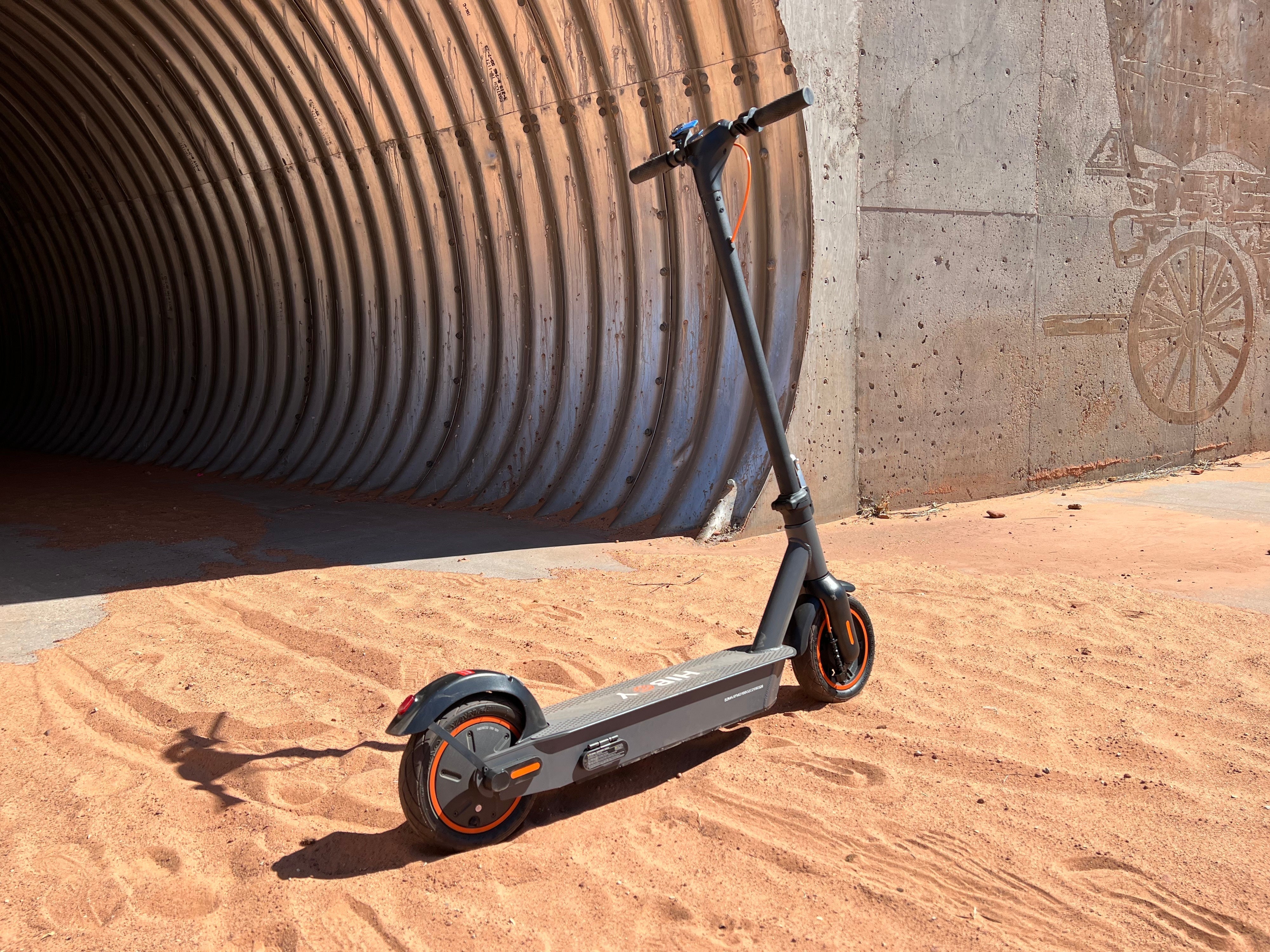
Les trottinettes électriques tout-terrain gagnent en popularité partout au Canada. Des sentiers de gravier près des régions de chalets aux chemins forestiers, en passant par les routes de terre et les terrains enneigés, les adeptes découvrent que les trottinettes électriques ne sont plus réservées uniquement aux rues urbaines.
Cependant, la conduite tout-terrain exige des compétences, une préparation et une vigilance différentes de celles de la circulation urbaine. Les conditions canadiennes – sentiers inégaux, gravier meuble, boue, neige et météo changeante – rendent une technique appropriée particulièrement importante.
Ce guide propose des conseils essentiels pour la conduite de trottinettes électriques tout-terrain afin d'aider les conducteurs canadiens à rester en sécurité, confiants et en contrôle.

1. Choisissez le bon terrain pour votre trottinette
Toutes les trottinettes tout-terrain ne sont pas conçues pour les sentiers extrêmes. Au Canada, les surfaces de conduite tout-terrain courantes incluent :
- Les chemins de gravier et les routes forestières
- Les sentiers de terre battue
- Les sentiers herbeux et de parcs
- Les chemins enneigés ou boueux (selon la saison)
Avant de rouler, assurez-vous que votre trottinette est conçue pour une utilisation tout-terrain, avec :
- Une garde au sol élevée
- Une suspension robuste
- Des pneus larges et gonflables
- Une puissance moteur adéquate pour les montées
Évitez le sable profond, la boue épaisse ou les sentiers techniques de VTT, à moins que votre trottinette ne soit spécifiquement conçue pour cela.

2. Ajustez votre position de conduite pour plus de stabilité
La position du corps est beaucoup plus importante en tout-terrain que sur l'asphalte.
Position appropriée en tout-terrain
- Gardez les genoux légèrement fléchis pour absorber les chocs
- Penchez-vous légèrement en arrière lors des descentes difficiles
- Gardez votre poids centré sur le plateau
- Détendez vos bras et laissez la suspension travailler
Sur le gravier ou la terre meuble, rester souple et équilibré aide à prévenir les glissades soudaines.
3. Contrôlez votre vitesse : plus vite n'est pas mieux en tout-terrain
La conduite tout-terrain exige le contrôle de la vitesse, pas la vitesse maximale.
- Ralentissez sur le gravier meuble ou les surfaces inégales
- Réduisez votre vitesse avant les virages, pas pendant
- Évitez les accélérations brusques sur terre ou sur sol mouillé
Dans les terrains variés du Canada, rouler plus lentement vous donne plus de temps pour réagir à :
- Les roches cachées
- Les racines
- Les nids-de-poule
- Les animaux sauvages traversant les sentiers

4. Freinez plus tôt et plus doucement
Les surfaces tout-terrain offrent beaucoup moins d'adhérence que l'asphalte, ce qui rend les distances de freinage plus longues et moins prévisibles. Le gravier meuble, la terre, les feuilles mouillées, la boue ou la neige peuvent tous provoquer un blocage rapide des roues si vous freinez trop fort.
Conseils de freinage tout-terrain :
- Utilisez les deux freins de manière égale pour maintenir l'équilibre, plutôt que de ne compter que sur un seul
- Freinez plus tôt et progressivement, en laissant aux pneus le temps de maintenir la traction
- Évitez les freinages brusques ou violents sur le gravier, le sable ou les terrains humides
- Déplacez légèrement votre poids corporel vers l'arrière pour empêcher la roue avant de glisser
Sur des surfaces particulièrement glissantes comme les feuilles mouillées, la boue ou la neige, un freinage agressif peut instantanément rompre l'adhérence et entraîner une chute. Un freinage doux et contrôlé vous permet de rester debout et en contrôle.
5. Apprenez à gérer les montées et les pentes
Les sentiers tout-terrain canadiens présentent souvent des montées raides, du gravier meuble et des descentes inégales, il est donc essentiel de maîtriser la technique en côte pour la sécurité et le contrôle.
Monter les côtes
- Maintenez un accélérateur régulier et doux pour une traction constante
- Penchez-vous légèrement en avant pour aider la roue avant à rester au sol
- Évitez les accélérations brusques, qui peuvent faire patiner la roue arrière ou lui faire perdre son adhérence

Descendre les côtes
- Réduisez votre vitesse avant d'entamer la descente, pas à mi-chemin
- Gardez les genoux pliés et le corps détendu pour absorber les chocs et maintenir l'équilibre
- Utilisez un freinage doux et contrôlé plutôt que des arrêts brusques qui peuvent provoquer des glissades
Si une pente semble trop raide, lâche ou imprévisible, il est parfaitement acceptable de descendre de la trottinette et de marcher. Savoir quand ne pas rouler est tout aussi important que de maîtriser la technique.
6. Surveillez la météo et les conditions saisonnières
Le temps canadien peut changer rapidement, surtout sur les sentiers hors des zones urbaines, et les conditions de surface peuvent varier en quelques heures.
Considérations saisonnières
- Printemps : La fonte des neiges rend les sentiers boueux et mous, augmentant le risque de patinage des roues et de rester coincé
- Été : Les conditions sèches peuvent créer du gravier meuble et de la poussière, réduisant la traction et le contrôle du freinage
- Automne : Les feuilles mouillées recouvrent souvent les surfaces dures et peuvent être aussi glissantes que la glace
- Hiver : La neige et la glace exigent des vitesses plus lentes, des virages plus larges et une prudence extrême
Quelle que soit la saison, évitez la conduite tout-terrain lors de fortes pluies ou immédiatement après des tempêtes. Le sol saturé est instable, les distances de freinage augmentent, et les dommages aux sentiers sont plus probables, rendant les trajets plus risqués pour vous et pour le terrain.

7. Diminuez la pression des pneus pour une meilleure traction (si applicable)
Si votre trottinette utilise des pneus pneumatiques (gonflés à l'air), ajuster la pression des pneus peut considérablement améliorer les performances hors route.
- Une pression légèrement plus basse augmente la surface de contact du pneu, améliorant l'adhérence sur la terre, le gravier et les surfaces inégales.
- Une pression réduite offre également une meilleure absorption des chocs, aidant à adoucir les rochers, les racines et les bosses des sentiers.
- Une meilleure traction signifie un contrôle accru lors des montées, des freinages et des virages hors route.
Cependant, évitez de trop baisser la pression. Un sous-gonflage peut entraîner des crevaisons par pincement, des dommages à la jante et une tenue de route instable. Restez toujours dans la plage de pression recommandée par le fabricant et ajustez progressivement jusqu'à trouver le bon équilibre pour le terrain.
8. Portez un équipement de sécurité approprié
La conduite tout-terrain augmente le risque de chutes. Équipement recommandé pour les conducteurs canadiens de tout-terrain :
- Casque (toujours)
- Gants pour l'adhérence et la protection des mains
- Genouillères et coudières
- Chaussures fermées avec une bonne adhérence
Pendant les mois plus froids, portez des couches de vêtements adaptées aux conditions météorologiques pour rester au chaud sans restreindre vos mouvements.

9. Roulez avec visibilité et vigilance
Les sentiers tout-terrain sont souvent partagés avec :
- Les randonneurs
- Les cyclistes
- Les VTT
- La faune
Utilisez une sonnette ou un klaxon à l'approche de virages aveugles, ralentissez autour des autres, et restez toujours vigilant, surtout dans les zones boisées ou isolées.
10. Nettoyez et inspectez votre trottinette après chaque sortie tout-terrain
La conduite tout-terrain sollicite davantage votre trottinette. Après chaque sortie :
- Essuyez la saleté, la boue et la poussière
- Vérifiez l'état et la pression des pneus
- Inspectez les freins et la suspension
- Assurez-vous que les boulons et les mécanismes de pliage sont bien serrés
Les conducteurs canadiens devraient nettoyer plus fréquemment pendant les conditions boueuses du printemps ou l'exposition au sel en hiver.

Liste de vérification pour la conduite de trottinette électrique tout-terrain
🟢 Conducteurs tout-terrain débutants
Objectif : sécurité, contrôle et renforcement de la confiance
Avant la sortie
- ⬜ Chargez complètement la batterie (le temps froid réduit l'autonomie)
- ⬜ Vérifiez la pression des pneus (légèrement inférieure pour le gravier/terre)
- ⬜ Inspectez les freins (testez la puissance de freinage à basse vitesse)
- ⬜ Serrez le mécanisme de pliage et les boulons de la potence
- ⬜ Préparez l'essentiel : Casque (obligatoire dans de nombreuses provinces canadiennes), gants adhérents, eau, téléphone avec cartes hors ligne, multi-outil de base
Compétences de conduite à pratiquer
- ⬜ Maintenez une position neutre (genoux fléchis, coudes détendus)
- ⬜ Roulez à vitesse modérée – évitez les accélérations brusques
- ⬜ Freinez tôt et doucement, surtout sur le gravier meuble
- ⬜ Regardez devant vous, pas vers la roue avant
- ⬜ Marchez à côté de la trottinette dans les sections de gravier profond, boueuses et les descentes raides
Terrains à choisir
- ⬜ Sentiers de terre battue
- ⬜ Chemins de gravier légers
- ⬜ Routes forestières larges
- ⬜ Conditions sèches préférables (évitez les feuilles mouillées et la boue)
Ce qu'il faut éviter (pour l'instant)
- ⛔ Montées raides
- ⛔ Boue ou sable profond
- ⛔ Sentiers techniques avec rochers et racines
- ⛔ Rouler seul dans des zones reculées

🔵 Conducteurs tout-terrain avancés
Objectif : contrôle, efficacité et maîtrise du terrain
Avant la sortie
- ⬜ Batterie chargée + autonomie planifiée pour les températures froides
- ⬜ Suspension réglée (le cas échéant)
- ⬜ Pression des pneus ajustée au terrain (plus basse pour la traction)
- ⬜ Plaquettes de frein vérifiées pour l'usure
- ⬜ Transportez un kit de réparation compact, un produit d'étanchéité ou un kit de réparation pour pneus, une batterie externe, un sifflet d'urgence ou un traceur GPS, et des couches supplémentaires (la météo canadienne change rapidement)
Techniques de conduite avancées
- ⬜ Déplacez dynamiquement le poids du corps : en arrière en descente et en avant en montée
- ⬜ Modulez les freins sur les surfaces meubles
- ⬜ Maintenez l'élan sur le gravier, les racines et les terrains irréguliers
- ⬜ Utilisez l'accélérateur de manière contrôlée pour éviter le patinage des roues
- ⬜ Tenez-vous debout plus souvent pour absorber les impacts du sentier
Terrains pour lesquels vous êtes prêt
- ⬜ Montées abruptes de gravier
- ⬜ Sentiers forestiers rocailleux
- ⬜ Sections boueuses
- ⬜ Chemins enneigés ou humides (avec prudence)
- ⬜ Terrains mixtes sur de longues distances
Considérations de sécurité supplémentaires
- ⬜ Informez quelqu'un de votre itinéraire
- ⬜ Vérifiez les règles d'accès aux sentiers locaux (parcs et zones de conservation)
- ⬜ Respectez la faune et les sentiers partagés
- ⬜ Ajustez votre style de conduite en cas de pluie, de brouillard ou de faible visibilité
Conseil de pro pour tous les conducteurs au Canada 🍁
Les températures froides peuvent réduire l'efficacité de la batterie de 20 à 30 %. Planifiez toujours des trajets plus courts en automne et en hiver, et évitez de ranger votre trottinette à l'extérieur pendant la nuit.
Réflexions finales : Roulez intelligemment, roulez préparé
Les trottinettes électriques tout-terrain ouvrent une toute nouvelle façon d'explorer les grands espaces canadiens, mais elles exigent compétence, patience et préparation.
En choisissant le bon terrain, en roulant à des vitesses contrôlées, en vous adaptant aux conditions saisonnières et en entretenant correctement votre trottinette, vous pouvez profiter de sorties tout-terrain plus sûres, plus fluides et plus confiantes tout au long de l'année.
La clé n'est pas de rouler plus fort, mais de rouler plus intelligemment.






Partager:
Conquérir la neige, la gadoue et les sentiers : les vélos électriques à pneus larges sont-ils meilleurs pour les routes canadiennes ?
Découvrez les Hiboy TITAN et TITAN PRO : Conçus pour les routes, les sentiers et tout le reste au Canada