



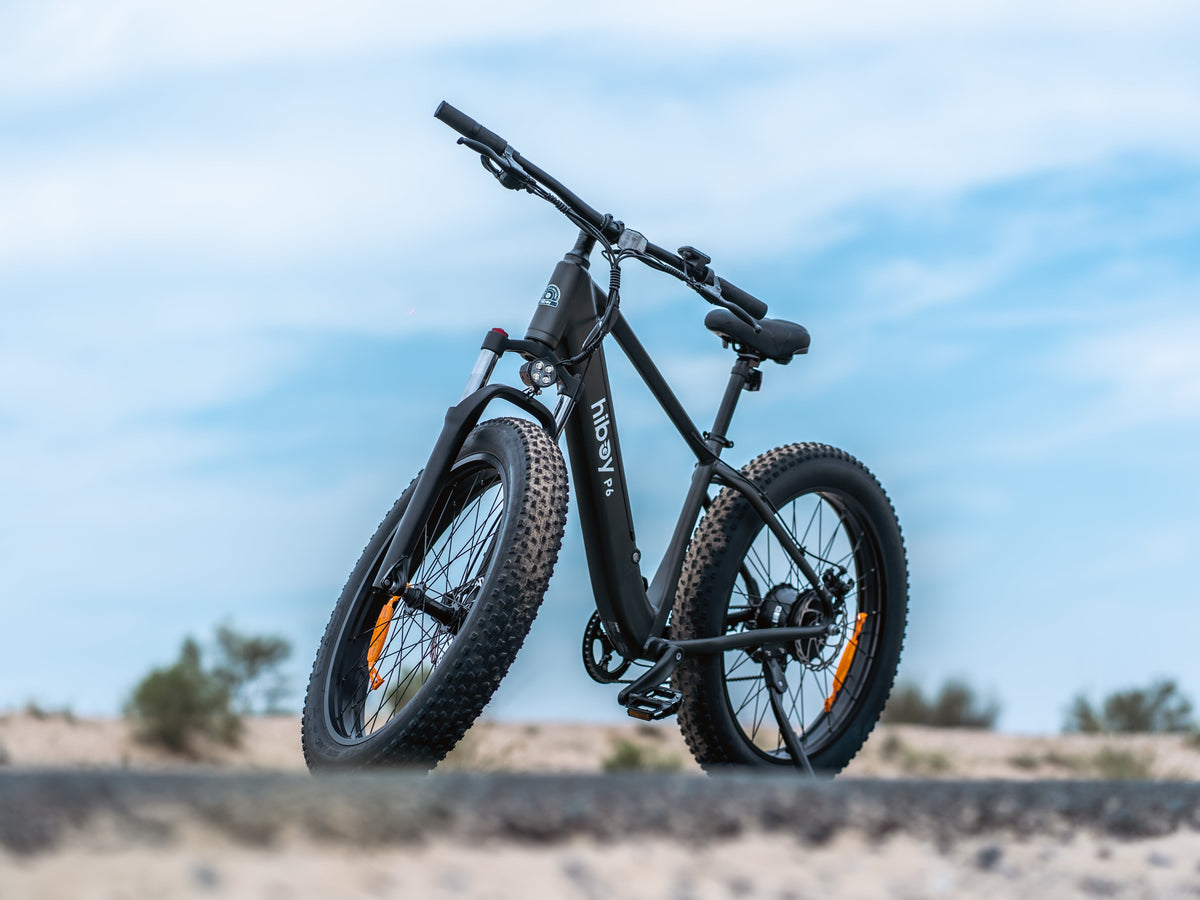
Choosing an electric bike isn't just about finding the latest model. A newer eBike may offer updated technology, improved convenience, and a fresh warranty, while an older model could deliver excellent value at a lower price. The right choice depends on your budget, riding habits, and which features matter most to you.
For Canadian riders, there are a few additional considerations. Battery performance in cold weather, access to replacement parts, after-sales support, and provincial eBike regulations can all influence whether a particular model is worth buying.
So, should you invest in a new electric bike or save money on an older model? In this guide, we'll compare the key differences, explain what to look for before buying, and help you decide which option makes the most sense for your needs.
New vs. Older Electric Bikes: A Quick Comparison
Before looking at individual features, here's how new and older electric bike models generally compare.
| Factor | Newer Electric Bike Models | Older Electric Bike Models |
| Purchase price | Usually higher | Often lower, especially during clearance sales |
| Battery condition | Typically a new battery | Depends on age, storage, and usage |
| Motor performance | May feature updated designs and controls | Can still provide reliable assistance |
| Technology | May include newer displays, sensors, and connectivity | May have more basic controls and features |
| Safety features | May offer updated equipment and design improvements | Depends on the original specifications and maintenance |
| Warranty | Usually includes a manufacturer's warranty | Depends on the seller, model, and warranty terms |
| Replacement parts | Availability varies by brand and model | Parts may be harder to find for discontinued models |
| Depreciation | More initial depreciation may occur | A well-priced older model may lose value more slowly |
| Best for | Riders who want current features and predictable ownership | Budget-conscious riders who find a well-maintained or discounted bike |
The bottom line: A newer model isn't automatically better, and an older model isn't necessarily outdated. What matters is the bike's condition, specifications, price, and suitability for your intended use.
It's also important to distinguish between an older model sold brand-new and a second-hand eBike. A previous-generation model that has never been ridden may offer considerable savings, but its battery could still have aged during storage. A used eBike, meanwhile, may have additional wear from previous riding.

1. Price and Overall Value
Price is often the first difference buyers notice, but the purchase price alone doesn't tell the whole story.
Why newer electric bikes cost more
Newer models may incorporate updated components, revised frame designs, improved battery management systems, or additional convenience features. They also typically come with a new battery and the opportunity to receive support under the manufacturer's warranty.
If you're buying an eBike for daily commuting, these benefits may justify paying more upfront. A dependable bike that requires fewer unexpected repairs can be worth the additional investment over several years.
However, a higher price doesn't guarantee better performance. Some newer models introduce only minor changes, such as a different display, revised styling, or updated accessories. If these changes don't improve your riding experience, paying extra may not be worthwhile.
Why older models can offer better value
Older electric bikes often become more affordable when manufacturers introduce new product generations or retailers clear inventory.
This creates two opportunities:
- Previous-generation new models: These may offer similar core specifications to newer bikes at a reduced price, without the wear associated with second-hand ownership.
- Pre-owned models: These may cost substantially less than new alternatives, although the savings need to be weighed against potential repair and battery replacement costs.
For example, imagine a newer eBike costs $1,800, while an older model with similar core specifications is available for $1,300. The $500 difference could make the older bike attractive, provided its battery, brakes, frame, and warranty coverage meet your expectations.
Before buying, compare the complete cost of ownership, including maintenance, replacement parts, accessories, and any likely repairs.
Best choice: Consider an older model if the discount is substantial and you aren't sacrificing features you genuinely need. Choose a newer model if its improvements offer meaningful benefits for your daily rides.
2. Battery Life and Range
The battery is one of the most important components of an electric bike. It determines how much energy the motor can draw and has a major influence on how far you can travel between charges.
It's also one of the biggest differences to consider when comparing new and older models.

Do newer eBikes have better batteries?
Not necessarily, but newer models may benefit from improvements in battery design, energy management, and charging systems.
When comparing specifications, look at battery capacity in watt-hours (Wh). A battery with a higher Wh rating generally stores more energy, which can support a longer riding range when other conditions are comparable.
However, battery capacity isn't the only factor. Motor efficiency, rider weight, terrain, assist level, tyre pressure, wind, and temperature all affect actual range.
A newer eBike with a smaller battery won't automatically travel farther than an older model with a larger one.
What happens to older eBike batteries?
Lithium-ion batteries gradually lose capacity through aging and repeated charging and discharging. How quickly this happens depends on factors such as battery chemistry, usage, charging habits, storage temperature, and overall battery quality.
An older eBike that has been used regularly may have noticeably less range than when it was new. Even an unused older model can experience battery aging if it has spent years in unsuitable storage conditions.
If you're considering a second-hand eBike, ask about the battery's age, charging history, storage conditions, and available health diagnostics. A test ride can help reveal obvious performance problems, but it cannot reliably establish the battery's remaining capacity on its own.
For an older model sold as new, ask the retailer or manufacturer about the battery's production date, storage history, and warranty coverage.
Why battery performance matters in Canada
Cold weather can temporarily reduce the amount of energy available from a lithium-ion battery, which means your eBike may deliver less range during winter rides.
If you plan to ride through colder months, consider a model with enough range to accommodate seasonal changes. When possible, store the battery indoors at an appropriate temperature and follow the manufacturer's instructions for charging and cold-weather use.
Avoid charging a battery that is below the manufacturer's permitted charging temperature. Allow it to warm up as directed before connecting the charger.
Best choice: A newer model is often the more predictable option if you need dependable range for regular commuting. An older model can still be a good purchase if its battery is in good condition, replacement batteries are available, and the price reflects any remaining battery-life uncertainty.
3. Motor Performance and Riding Experience
An eBike's motor influences how the bike accelerates, assists your pedalling, and handles hills. However, comparing motors requires more than looking at a single wattage figure.
What newer motor systems may offer
Depending on the model, newer eBikes may feature improved pedal-assist sensors, smoother power delivery, more refined motor controls, or better integration between the motor and battery.

For example, a torque sensor measures how much force you apply to the pedals and adjusts assistance accordingly. A cadence sensor generally responds to pedal rotation. Neither system is automatically right for every rider: torque sensing can provide a more responsive, natural-feeling ride, while cadence-based assistance can be perfectly adequate for relaxed commuting.
Newer models may also improve how assistance responds when starting from a stop or climbing a hill. These differences are particularly noticeable if your route includes frequent intersections, steep inclines, or changes in riding speed.
Can an older motor still perform well?
Absolutely. A well-maintained motor can remain reliable for years, and an older eBike with suitable power delivery may be more than adequate for everyday transportation.
If you mainly ride on relatively flat urban roads, you may not benefit much from a newer motor system. For hilly routes, carrying cargo, or frequent stop-and-go riding, however, the motor's torque, sensor type, and control settings deserve closer attention.
Also check whether the motor makes unusual noises, delivers inconsistent assistance, or cuts out unexpectedly. On a second-hand bike, these symptoms warrant further inspection before purchase.
Remember that motor ratings and assisted speeds are also relevant to legal compliance. A more powerful motor does not necessarily make a bike a better or more suitable choice for public-road use.
Best choice: Prioritize the actual riding experience rather than the model year. If possible, test both bikes on a route that resembles your usual commute.
4. Technology and Convenience Features
Technology is another area where newer electric bikes may have an advantage, although the difference depends on the product category and price range.
Features you may find on newer models
Depending on the design, newer eBikes may offer:
- Updated LCD or colour displays
- More intuitive pedal-assist controls
- Integrated front and rear lighting
- Improved battery-level indicators
- Smartphone connectivity or ride tracking
- More refined wiring and component integration
- Updated charging and battery management features
These additions can make an eBike easier to use, particularly if you rely on it for daily transportation.
However, not every new model includes all these features, and some older premium bikes may be better equipped than newer entry-level alternatives.

Are older models missing anything important?
Older models may have simpler displays, fewer electronic functions, or less sophisticated connectivity. For some riders, these differences are relatively minor.
If you mainly want a practical way to commute, visit local shops, or enjoy weekend rides, a straightforward control system may be all you need.
On the other hand, if you value navigation integration, detailed ride data, or specific electronic assistance features, a newer model may better match your preferences.
Before paying more for additional technology, ask whether it will make your rides safer, more convenient, or more enjoyable. Features that look impressive on a product page may not add much value to your everyday routine.
Best choice: Buy the technology you will actually use. Don't pay a premium simply because a model has a longer feature list.
5. Safety, Brakes, and Frame Design
Safety deserves at least as much attention as battery capacity and motor performance when comparing electric bikes.
Newer models may benefit from design revisions or updated components, but the model year alone does not establish whether an eBike is safe.
What to check on a newer model
Review the specifications for the braking system, tyre design, lighting, reflectors, frame construction, and maximum permitted load.
Disc brakes are common on many eBikes, but their effectiveness depends on the design, maintenance, and quality of the complete braking system. Hydraulic and mechanical disc brakes also have different maintenance requirements.
Frame geometry matters, too. A step-through frame may make mounting and dismounting easier, while a different frame design might suit riders who prioritise a more traditional cycling position.
Make sure the bike fits your height and intended use, and check that its total load capacity accommodates your weight and any cargo.
What to inspect on an older eBike
With an older or second-hand model, inspect the bike carefully for:
- Cracks, dents, corrosion, or signs of structural damage
- Worn brake pads, damaged brake discs, or weak braking performance
- Tyres with worn tread, cracks, or other visible damage
- Loose wheels, headset components, or unusual play in the drivetrain
- Damaged battery housings, exposed wiring, or loose electrical connections
- Missing reflectors, lights, or other required equipment
Check the bike's model number and recall status as well. If it has been involved in an accident or repaired after structural damage, have it assessed by a qualified bicycle technician.

A newer bike may be easier to evaluate because it has a clear product history, but you should still inspect it and follow the manufacturer's maintenance guidance.
Best choice: Choose the bike with the appropriate safety equipment, sound construction, and reliable braking performance, not simply the newest release.
6. Warranty, Maintenance, and Replacement Parts
A lower purchase price can lose its appeal if you struggle to obtain a replacement battery or discover that a key electronic component is no longer supported.
This is particularly important for electric bikes because their electrical and mechanical systems must work together.
Advantages of buying new
A new eBike generally comes with a manufacturer's warranty, subject to its terms and exclusions. This may provide protection against specified defects in the frame, motor, battery, or other components during the applicable coverage period.
You also have a clearer starting point for maintenance because the bike has not accumulated wear from previous owners.
Before purchasing, check what the warranty covers, how long each component is covered, whether the warranty applies in Canada, and whether repairs must be handled by an authorised service provider.
Don't assume every component has the same warranty period.
Potential challenges with older models
Older models may require more frequent maintenance, depending on their condition and usage. Their batteries, controllers, displays, and other proprietary components may also become harder to source if the manufacturer discontinues support.
For second-hand purchases, warranty coverage may be limited or unavailable. Some warranties are restricted to the original purchaser, while others have different transfer conditions.
Before committing to an older model, confirm that replacement parts can still be obtained and ask how repairs would be handled if the motor or battery failed.
Even if you can perform basic bicycle maintenance yourself, electrical repairs may require specialist knowledge.
Best choice: If you depend on your eBike for commuting, prioritise accessible support and replacement parts. A modest upfront saving may not justify the risk of lengthy downtime or expensive repairs.
7. Which Should You Buy for Your Riding Needs?
The best choice depends on how frequently you ride, the conditions you encounter, and what you expect from your eBike.
Here's how to approach the decision for common riding scenarios.

Daily commuting
If you use an eBike to get to work, school, or public transportation, reliability should be a major priority.
A newer model can be attractive because it typically comes with a fresh battery and a manufacturer's warranty. Updated lighting, controls, or battery management may also be useful if you ride frequently.
However, a previous-generation model sold new at a substantial discount may provide similar practical benefits. Focus on dependable range, comfortable riding geometry, suitable brakes, and the availability of service.
Weekend recreation
If you ride occasionally for leisure, an older model may offer excellent value, particularly if you don't need the latest technology.
A well-maintained bike with sufficient range and a comfortable riding position can be all you need for park paths, neighbourhood rides, and casual weekend outings.
Just remember that infrequent use doesn't eliminate battery aging. Check the battery's condition even if the bike has relatively low mileage.
Riding on hills or mixed terrain
If your usual routes include steep climbs, gravel roads, or varied surfaces, compare motor characteristics, tyre design, gearing, brakes, and frame geometry carefully.
A newer model may offer improved assistance controls or other useful refinements. But an older model with stronger climbing capability or more suitable tyres could be the better fit.
For mixed-terrain riding, also confirm that the bike is designed for the surfaces you intend to use. Not every electric bike is suitable for off-road trails.
Riding on a limited budget
If affordability is your main concern, start by identifying the specifications you actually need rather than looking for the cheapest available bike.
A discounted previous-generation model may offer a useful balance of price, condition, and warranty coverage. A second-hand model can also be worth considering if you can verify its history and arrange a proper inspection.
Leave room in your budget for a helmet, a suitable lock, maintenance, and other essential equipment.
8. A Checklist Before Buying an Older Electric Bike
If you're leaning towards an older model, use this checklist to evaluate whether the savings are worth it.
| Battery and charging |
|
| Motor and electronics |
|
| Mechanical condition |
|
| Ownership and long-term costs |
|
If the seller cannot answer basic questions about the battery, ownership, or service history, treat that uncertainty as part of the cost of buying the bike.

9. Don't Forget Canadian eBike Regulations
Before purchasing either a new or older electric bike, confirm that it meets the requirements for where you intend to ride.
Rules can differ by province and municipality. In Ontario, for example, qualifying eBikes are generally subject to a maximum motor output of 500 W and a maximum assisted speed of 32 km/h, alongside other requirements. Quebec and British Columbia have their own rules and conditions.
Check the applicable provincial requirements, including permitted motor output, assisted speed, rider age, helmet use, and where eBikes may be operated. Local rules may also affect access to certain paths and trails.
A model that was sold legally in another country, marketed as an eBike online, may not qualify as a legal power-assisted bicycle under your local regulations.
For official information, consult the relevant provincial transportation authority before buying.
Frequently Asked Questions
Are older electric bikes worth buying?
Yes. An older electric bike can be worth buying if it is in good condition, offers the performance you need, and is priced appropriately. Previous-generation models sold new can be especially attractive because they may offer meaningful savings without the wear associated with second-hand ownership. Always consider battery condition, parts availability, and warranty coverage.
Do newer electric bikes have a longer battery life?
Not necessarily. Newer models may incorporate improved battery technology or management systems, but battery longevity depends on the specific battery, its quality, usage, charging habits, and storage conditions. Compare battery capacity and warranty terms rather than assuming that a newer model will last longer.
How old is too old for an electric bike?
There is no universal age limit that determines whether an eBike is worth buying. A well-maintained older model with a healthy battery and available replacement parts may remain useful for years. Conversely, a relatively recent bike with a damaged battery, structural problems, or unsupported electronics may be a poor purchase.
Is it better to buy a new eBike on sale or a used premium model?
Both can offer good value. A discounted new eBike generally offers a new battery and clearer warranty coverage, while a used premium model may provide higher-end components for a similar price. Compare the specific features, battery condition, maintenance needs, warranty terms, and total expected cost before deciding.
Can I still find replacement batteries for older electric bikes?
Sometimes, but availability depends on the manufacturer, model, battery design, and how long the product has been discontinued. Check the exact battery model and confirm compatibility with the bike's electrical system. Don't assume that a battery with similar voltage or a matching connector is automatically compatible.
Should I wait for the next electric bike model to launch?
Only if the upcoming model is expected to offer features that matter to you and you can comfortably wait. New releases may also lead to discounts on previous-generation bikes. If an existing model already meets your requirements, there may be little reason to delay your purchase simply to get the newest version.






Partager:
Is an Electric Scooter a Good Gift for Adults? 6 Things to Consider