



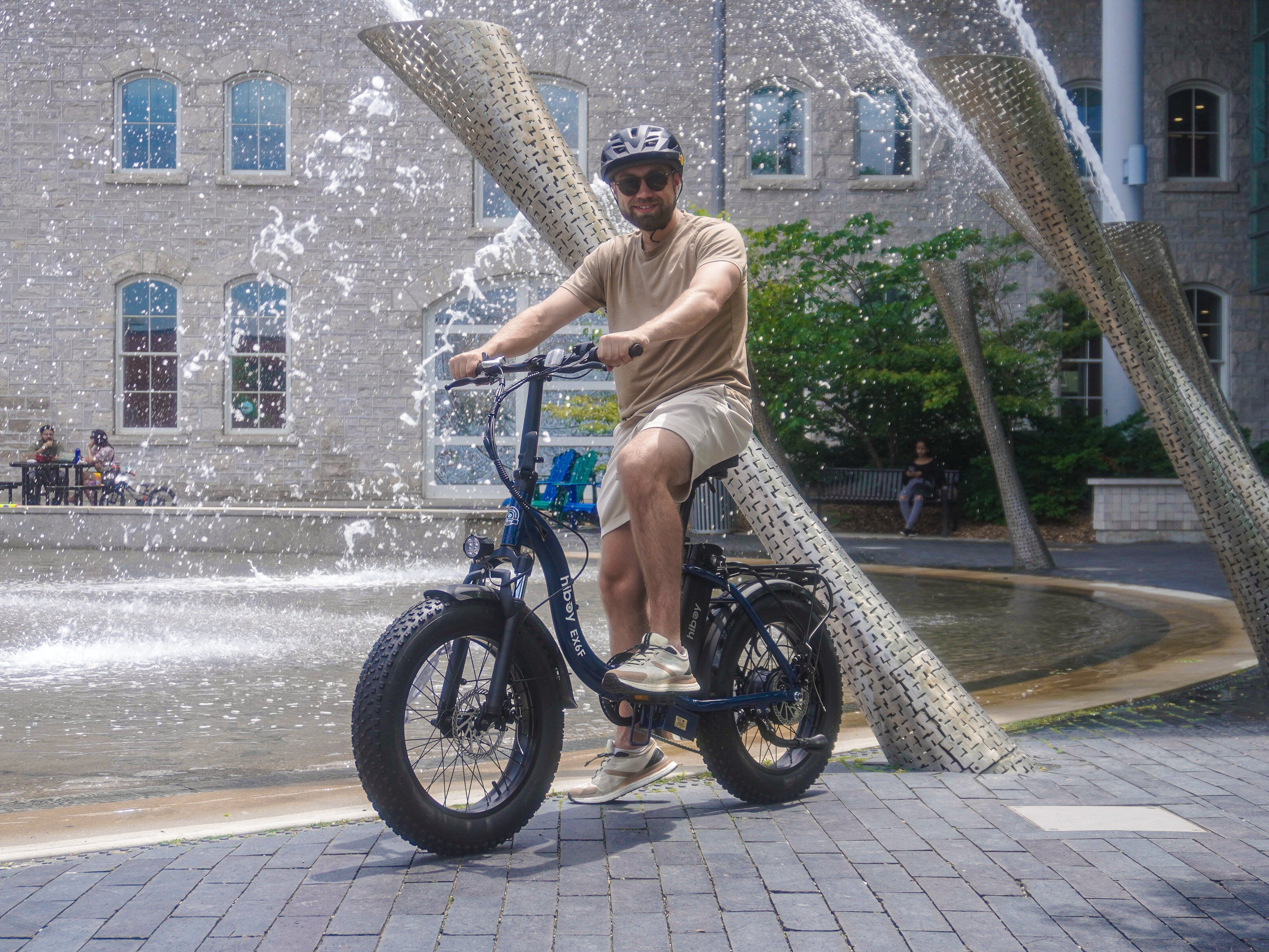
Riding an e-bike in Canada means dealing with changing weather conditions throughout the year. From rainy spring commutes to humid summer days and wet fall roads, moisture exposure is almost unavoidable for many riders.
While modern electric bikes are designed to handle everyday riding conditions, prolonged exposure to water, road spray, and moisture can accelerate corrosion on metal components. Rust does not usually appear overnight — it develops gradually when water, oxygen, and contaminants remain on your bike’s surfaces for extended periods.
The good news is that with proper care and regular maintenance, you can significantly reduce the risk of rust and keep your e-bike performing reliably for years.
In this guide, we will explain:
- Why e-bikes rust in wet conditions
- Which components are most vulnerable to corrosion
- How to protect your e-bike after riding in rain
- Best storage practices for wet climates
- Essential maintenance tips for Canadian riders
Why Does an E-Bike Rust in Wet Conditions?
Rust is a form of corrosion that occurs when iron or steel reacts with oxygen and moisture. When your e-bike is exposed to rain, puddles, road salt, or high humidity, water can remain on metal surfaces and create the ideal environment for corrosion.

Several factors can increase rust risk:
| Factor | How It Causes Rust |
| Rain and moisture | Water accelerates oxidation on exposed metal parts |
| Road salt | Salt speeds up corrosion by increasing electrical conductivity |
| Mud and dirt | Traps moisture against components |
| Poor storage | Prevents water from evaporating properly |
| Lack of maintenance | Allows small corrosion spots to spread |
For Canadian riders, winter conditions can be especially challenging. Road salt, snow melt, and wet storage areas can cause faster corrosion if your e-bike is not cleaned and protected properly.
Which E-Bike Parts Are Most Likely to Rust?
Not every part of an e-bike is equally vulnerable to corrosion. Components made from steel or exposed metal surfaces typically require more attention.
| E-Bike Component | Rust Risk Level | Why It Needs Protection |
| Chain | High | Constant exposure to water, dirt, and road debris |
| Gears and cassette | High | Metal surfaces collect moisture and contaminants |
| Bolts and screws | Medium to High | Small exposed areas can develop rust quickly |
| Brake rotors | Medium | Can develop surface rust after rain |
| Frame joints | Medium | Water can collect in seams and connection points |
| Pedals | Medium | Frequently exposed to road spray |
| Battery contacts | Low to Medium | Moisture can affect electrical connections |
| Motor housing | Low | Usually sealed but still requires inspection |
Regular inspection helps you identify early signs of corrosion before they become serious problems.

How to Prevent Rust on Your E-Bike After Riding in Rain
1. Dry Your E-Bike After Every Wet Ride
The simplest and most effective way to prevent rust is to remove moisture as soon as possible.
After riding in wet conditions:
- Park your e-bike in a dry location.
- Wipe down the frame and metal components with a clean microfiber cloth.
- Pay special attention to chain, gears, brake components, and bolts and joints
- Allow the bike to air dry completely before storage.
Avoid storing a wet e-bike in a closed garage, basement, or shed where moisture can remain trapped.
2. Clean Your E-Bike Regularly
Rainwater often contains dirt, dust, and road contaminants that can accelerate corrosion.
A proper cleaning routine helps remove these materials before they damage components.
Recommended E-Bike Cleaning Schedule
| Riding Conditions | Cleaning Frequency |
| Dry roads only | Every few weeks |
| Occasional rain riding | After wet rides or weekly |
| Frequent rainy conditions | 1–2 times per week |
| Winter riding with road salt | After every ride |
How to Clean Your E-Bike Safely
Follow these steps:
- Turn off the e-bike and remove the battery if possible.
- Use a damp cloth or soft brush to remove dirt.
- Avoid high-pressure water sprays.
- Clean the drivetrain carefully.
- Dry all components completely.
Never use a pressure washer on an e-bike. High-pressure water can force moisture into electrical connections, bearings, and sensitive components.

3. Keep Your Chain Properly Lubricated
The chain is one of the most important components to protect against rust.
Rain removes protective lubrication, leaving metal surfaces exposed to corrosion.
Use an appropriate bicycle chain lubricant after cleaning and drying your e-bike.
| Lubricant Type | Best For | Characteristics |
| Wet lube | Rainy and humid conditions | Longer-lasting protection in wet weather |
| Dry lube | Dry climates | Keeps chain cleaner but wears off faster in rain |
| All-weather lube | Mixed conditions | Good year-round option |
For Canadian riders who frequently ride in wet conditions, wet or all-weather chain lubricants are generally better choices.
Chain Lubrication Steps
- Clean dirt and old lubricant from the chain.
- Let the chain dry completely.
- Apply lubricant evenly to each chain link.
- Wipe away excess lubricant.
Too much lubricant can attract dirt, so a thin protective layer is usually enough.

4. Apply Protective Coatings to Metal Components
A protective coating creates a barrier between metal surfaces and moisture.
Common options include:
- Anti-rust sprays
- Bicycle-specific protective coatings
- Frame protection products
These products can help protect:
- Frame bolts
- Metal joints
- Exposed hardware
- Suspension components
However, avoid applying sprays near:
- Brake rotors
- Brake pads
- Tires
- Electrical connectors
Contaminating these areas can reduce braking performance or affect electrical reliability.
5. Protect Your E-Bike During Storage
Storage conditions play a major role in rust prevention.
A bike stored outdoors or in a damp environment is much more likely to develop corrosion.
Best Storage Practices
| Storage Method | Rust Prevention Level |
| Indoor dry storage | Excellent |
| Covered garage | Good |
| Outdoor bike cover | Moderate |
| Uncovered outdoor storage | Poor |
For long-term storage:
- Store your e-bike indoors whenever possible.
- Keep it away from direct rain exposure.
- Avoid damp basements or areas with high humidity.
- Remove and store the battery according to manufacturer recommendations.
- Keep the tires properly inflated.
6. Pay Attention to Road Salt During Canadian Winters
For many Canadian riders, road salt is one of the biggest threats to e-bike components.
Salt does not just create surface corrosion — it can accelerate damage to metal parts and electrical connections.
If you ride during winter:
| Winter Maintenance Step | Benefit |
| Rinse off salt residue | Prevents corrosion buildup |
| Dry after every ride | Reduces moisture exposure |
| Lubricate chain more frequently | Protects drivetrain |
| Inspect bolts regularly | Detects early corrosion |
| Store indoors | Prevents freezing moisture damage |
Even if your e-bike is water-resistant, it is still important to clean away salt and contaminants after riding.
Are E-Bikes Waterproof?
Most e-bikes are not completely waterproof. Instead, many models are designed with water-resistant components that can handle light rain and everyday riding conditions.
For example, Hiboy e-bikes are designed for practical daily transportation and may include features such as water-resistant construction depending on the model.
However:
- Water resistance does not mean waterproof.
- Avoid riding through deep water.
- Do not submerge your e-bike.
- Always dry your bike after wet rides.
Understanding your e-bike’s water-resistance rating helps you ride confidently while knowing when extra care is needed.
Signs Your E-Bike May Have Rust or Corrosion
Regular inspections allow you to address problems early.
Look for:
| Warning Sign | Possible Issue |
| Orange or brown spots | Surface rust |
| Rough chain movement | Chain corrosion |
| Squeaking noises | Dry or damaged components |
| Difficulty shifting gears | Drivetrain corrosion |
| Loose or damaged bolts | Corrosion around hardware |
| Electrical issues after rain | Moisture exposure |
If you notice corrosion, clean and treat the affected area as soon as possible.
Common Mistakes That Cause E-Bike Rust
Many corrosion problems come from simple maintenance mistakes.
| Mistake | Why It Causes Problems |
| Storing the bike while wet | Keeps moisture trapped |
| Using a pressure washer | Can force water into sensitive areas |
| Ignoring the chain | Allows rust to spread |
| Leaving salt on the bike | Accelerates corrosion |
| Storing outdoors uncovered | Increases moisture exposure |
Small maintenance habits can make a significant difference in extending your e-bike’s lifespan.
E-Bike Rust Prevention Checklist
Use this checklist after riding in wet conditions:
- ☐ Wipe down the frame
- ☐ Dry the chain and drivetrain
- ☐ Remove dirt and road debris
- ☐ Check for signs of rust
- ☐ Apply chain lubricant when needed
- ☐ Store the bike in a dry location
- ☐ Clean salt residue after winter rides
Keep Your E-Bike Ready for Every Season
Rain and moisture do not have to stop you from enjoying your e-bike. With consistent cleaning, proper lubrication, and smart storage habits, you can protect your investment and maintain reliable performance throughout the year.
For Canadian riders, where weather conditions can change quickly, regular maintenance is especially important. A few minutes of care after a wet ride can prevent expensive repairs and help your e-bike stay safer, smoother, and more enjoyable for years to come.
Whether you use your e-bike for commuting, weekend adventures, or everyday transportation, protecting it from rust is one of the easiest ways to maximize its lifespan.






Partager:
Best Electric Bikes for Camping Trips in Canada: Explore More with the Right E-Bike
Are Foldable Electric Bikes Worth It? Pros, Cons & Buying Guide