



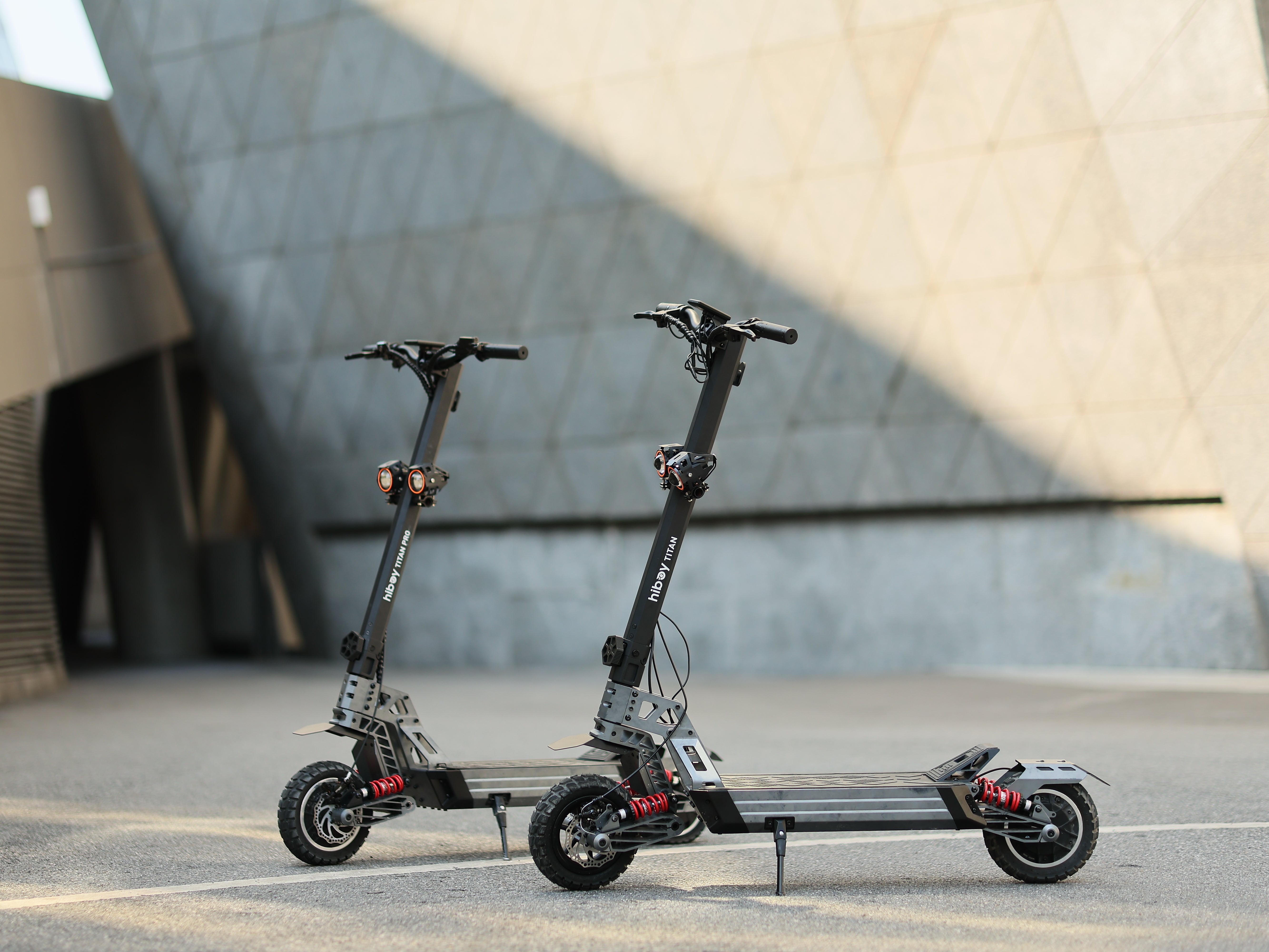
Les trottinettes électriques au Canada entrent dans une nouvelle phase. Ce qui était autrefois un produit de commodité est de plus en plus évalué comme une infrastructure de transport quotidien, en particulier dans des villes comme Toronto, Vancouver et Montréal.
Avec ce changement, la conversation évolue également.
Il ne s'agit plus seulement de :
- Vitesse maximale
- Autonomie annoncée
- Prix
Au lieu de cela, les utilisateurs et les fabricants se posent une question plus fondamentale :
Comment une trottinette offre-t-elle des performances constantes dans des conditions réelles ?
Et c'est là que les systèmes de motorisation, en particulier ceux développés par Bosch, entrent en jeu.
Le changement de l'industrie : du composant au système
Au début des trottinettes électriques, le moteur était traité comme un composant autonome, un simple moyeu fournissant de la puissance en fonction de l'accélération.

Cependant, l'industrie s'oriente de plus en plus vers des systèmes d'entraînement intégrés, où :
- La puissance du moteur est coordonnée avec les contrôleurs
- Les capteurs ajustent le couple en temps réel
- La distribution d'énergie est optimisée dynamiquement
Cette approche, établie depuis longtemps dans les secteurs de l'automobile et du vélo électrique, entre maintenant sur le marché des trottinettes.
👉 Bosch est l'une des entreprises qui mène cette transition, en se concentrant sur l'ingénierie au niveau du système plutôt que sur du matériel isolé.
Pourquoi cela est plus important sur le marché canadien
Du point de vue de l'industrie, le Canada représente un cas d'utilisation à forte variabilité, ce qui en fait un excellent terrain d'essai pour les systèmes de motorisation avancés.
1. Variabilité environnementale
Les cyclistes canadiens rencontrent régulièrement :
- De larges fluctuations de température
- Des conditions humides
- Des transitions saisonnières
👉 Les systèmes de motorisation d'entrée de gamme peuvent subir des baisses d'efficacité ou une puissance incohérente dans ces conditions.

👉 Les systèmes intégrés sont conçus pour maintenir une alimentation électrique stable, quelles que soient les variables externes.
2. Réalités de l'infrastructure
L'infrastructure urbaine au Canada comprend souvent :
- Une dégradation des routes après l'hiver
- Une qualité de revêtement mixte
- Des joints de dilatation et des surfaces inégales
👉 Cela met davantage l'accent sur :
- Une livraison de couple contrôlée
- Des courbes d'accélération douces
Pas seulement la puissance maximale.
3. Distance et habitudes d'utilisation
Comparativement à de nombreux marchés mondiaux, les utilisateurs canadiens :
- Parcourent de plus longues distances
- Utilisent plus fréquemment les trottinettes pour les trajets quotidiens

👉 Cela augmente l'importance de :
- L'efficacité énergétique
- La gestion thermique
- La durabilité à long terme du système
Systèmes de motorisation Bosch : ce qui les différencie
Du point de vue de l'ingénierie, l'approche de Bosch se concentre sur le raffinement plutôt que sur la puissance brute.
Les caractéristiques clés incluent :
- Contrôle du couple basé sur des capteurs → Ajuste la puissance délivrée en fonction des conditions de conduite
- Efficacité énergétique optimisée → Étend l'autonomie utilisable sous des charges réelles
- Stabilité thermique → Maintient une performance constante sur les trajets plus longs
- Intégration du système → Assure une interaction plus fluide entre l'accélérateur, le moteur et la batterie
👉 Le résultat n'est pas nécessairement une vitesse maximale plus élevée, mais une expérience de conduite plus prévisible et contrôlée.

Positionnement sur le marché : où Bosch prend tout son sens
Du point de vue de la segmentation de l'industrie, les systèmes alimentés par Bosch s'alignent sur les catégories de trottinettes de milieu à haut de gamme, en particulier lorsque :
- La puissance dépasse ~1000W
- Les attentes en matière d'autonomie dépassent ~40 km
- Les cas d'utilisation incluent les trajets quotidiens ou les terrains mixtes
En revanche, les trottinettes d'entrée de gamme, axées sur l'abordabilité et l'utilisation sur de courtes distances, privilégient généralement la rentabilité plutôt que la sophistication du système.
Cas d'application : la série Hiboy TITAN
Un exemple de cette approche au niveau du système qui fait son entrée sur le marché est la série Hiboy TITAN, qui intègre les options de moteur Bosch dans une plateforme conçue pour des cas d'utilisation plus larges.

Trottinette électrique Hiboy TITAN
| Vitesse maximale | 40 km/h |
| Autonomie maximale | 74 km |
| Moteur | 1200W en crête (option alimentée par Bosch disponible) |
| Batterie | 48V 18Ah |
| Suspension | Avant et arrière |
| Pneus | 10" tubeless remplis de gel |
Positionnement :
Un modèle de milieu de gamme destiné aux utilisateurs qui ont besoin d'une fiabilité quotidienne avec une qualité de conduite améliorée.
Trottinette électrique Hiboy TITAN PRO
| Vitesse maximale | 50 km/h |
| Autonomie maximale | 129 km |
| Moteur | 2400W en crête (option alimentée par Bosch disponible) |
| Batterie | 48V 36Ah |
| Suspension | Avant et arrière |
| Pneus | 10" tubeless remplis de gel |
Positionnement :
Un modèle haute performance conçu pour :
- Les trajets longue distance
- Les exigences de charge plus élevées
- Les environnements urbains/tout-terrain mixtes

Synergie au niveau du système : pourquoi l'intégration est importante
Du point de vue du développement produit, la qualité du moteur à elle seule est insuffisante. Les gains de performance ne sont réalisés que lorsqu'ils sont associés à :
- Des systèmes de double suspension → atténuant l'impact de la route
- Des batteries haute capacité → supportant une puissance soutenue
- Une construction de cadre robuste → assurant la stabilité à vitesse élevée
👉 La série TITAN reflète cette approche, où le moteur fait partie d'un système de performance cohérent, et non d'une amélioration isolée.
Coût vs Valeur : un compromis de l'industrie
Les systèmes alimentés par Bosch augmentent généralement :
- La complexité de fabrication
- Les coûts des composants
Cela les positionne dans une gamme de prix premium.

Cependant, pour les utilisateurs ciblés, en particulier au Canada, la proposition de valeur inclut :
- Une variabilité des performances réduite
- Une cohérence de conduite améliorée
- Une plus grande durabilité à long terme
Évaluation finale
Du point de vue de l'industrie, les systèmes de motorisation Bosch représentent un changement plus large :
Des produits axés sur les spécifications aux solutions de mobilité axées sur l'expérience.
Dans les marchés aux conditions stables, ce changement peut être progressif.
Au Canada, où la variabilité est la norme, cela devient plus immédiatement pertinent.
Conclusion
Alors, un moteur Bosch a-t-il vraiment du sens ?
Oui, dans le bon contexte.
Pour :
- Une utilisation d'entrée de gamme, sur de courtes distances → pas essentiel
- Les trajets quotidiens, les terrains variés, les longues distances → de plus en plus justifié
À mesure que le marché des trottinettes électriques mûrit, en particulier dans des régions comme le Canada, l'intégration des systèmes et la cohérence de la conduite deviennent des facteurs déterminants.
Et dans ce paysage, les plateformes alimentées par Bosch, telles que la série Hiboy TITAN, représentent une direction claire pour l'évolution de l'industrie.






Partager:
Comment faire durer la batterie de votre vélo électrique 10 ans : un guide pratique pour les cyclistes
Meilleur vélo électrique Fat Tire en 2026 : Pourquoi le Hiboy P6 se démarque