



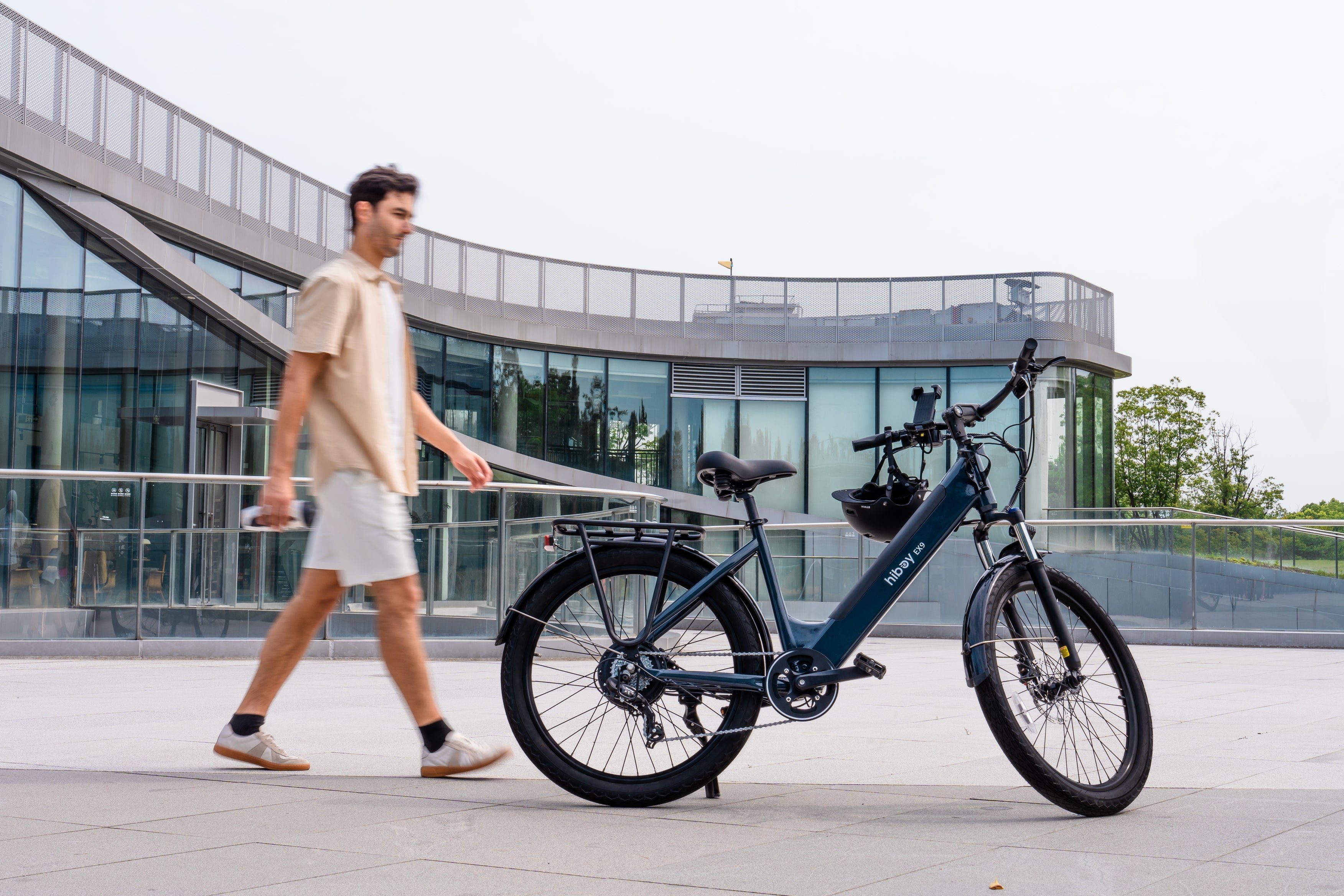
Electric bikes (commonly called e-bikes) are transforming the way people get around, and Canada is no exception. Whether you’re commuting in Toronto, exploring trails around Vancouver, or cruising through Montreal’s bike lanes, e-bikes offer a fun and practical blend of exercise, convenience, and powered assistance.
This guide answers the essential question: What exactly is an electric bike, including how they work, why they’re popular in Canada, how they’re regulated, and what to consider before buying one.

What Is an Electric Bike?
At its core, an electric bike is simply a bicycle equipped with an electric motor and battery system that assists as you pedal. Unlike electric scooters or motorcycles, the primary mode of propulsion is still pedaling; the electric system amplifies your effort, making hills easier and long distances less tiring.
An e-bike allows riders to:
- Pedal with assistance from a motor
- Access electric power without pedaling (on some models)
- Travel faster and farther than on a traditional bike
- Enjoy cycling with less physical strain
Types of Electric Bikes in Canada
Different e-bike styles serve different riding needs. This chart helps Canadian riders quickly understand which type fits their lifestyle best.
| E-Bike Type | Best For | Key Features | Ideal Canadian Use Cases |
| Commuter E-Bike | Daily commuting, city riding | Lightweight frame, efficient motor, moderate range | Urban travel in Toronto, Vancouver, and Montreal, with bike lanes and paved roads |
| Folding E-Bike | Apartments, transit users | Compact foldable frame, easy storage | Condo living, mixed transit commutes, limited storage space |
| Fat Tire E-Bike | All-terrain riding | Wide tires, strong motor, enhanced stability | Snowy winters, gravel roads, trails, rural areas |
| Cargo E-Bike | Carrying heavy loads | Extended frame, high weight capacity | Groceries, kids, work gear, car replacement |
| Mountain E-Bike (e-MTB) | Trail and off-road riding | Suspension, torque-focused motor | Canadian trails, hills, and outdoor adventures |
| Step-Through E-Bike | Comfort and accessibility | Low frame design, upright riding position | Seniors, casual riders, stop-and-go city riding |
Tip for Canadian riders: If you plan to use bike paths and public roads, make sure your e-bike meets Canada’s Power-Assisted Bicycle (PAB) standards (≤500W motor and max assisted speed of 32 km/h).
Core Components of an Electric Bike
Electric bikes consist of the same parts as a regular bike: frame, wheels, brakes, plus a few additional electrical components:
1. Battery
The battery is the heart of the e-bike’s electrical system. Most modern e-bikes use lithium-ion batteries, which are lightweight yet powerful. Battery size (measured in watt-hours, Wh) determines how far you can ride between charges, typically 40–100+ km depending on terrain, assist level, and rider weight.
2. Motor
The motor provides the electric boost. It can be located at:
- Rear hub (good traction)
- Front hub (balanced feel)
- Mid-drive / crank (best efficiency and hill performance)
Motor power contributes to climbing strength and acceleration. Canadian cyclists commonly ride bikes with 250–750W motors.
3. Controller
The controller acts as the “brain,” regulating how much electrical energy flows from the battery to the motor based on rider input.
4. Sensors
Most e-bikes include sensors that detect pedaling speed (cadence) or force (torque), helping the bike deliver smoother, more responsive power.
5. Display & Controls
Mounted on the handlebars, the display lets riders choose power levels (Eco, Normal, Sport), check battery level, and view speed or distance.

How Does an Electric Bike Work?
Electric bikes work by delivering electric assistance as you pedal. There are two primary modes:
Pedal-Assist (Pedalec)
The motor activates only when you pedal, giving you an extra push without replacing human effort. This is the most common and legally accepted type in Canada.
Throttle-Assist
Some e-bikes allow you to activate the motor without pedaling, similar to a low-powered scooter. Laws about the throttle vary by province.
In both cases, the motor draws energy from the battery to help you accelerate or maintain speed, reducing fatigue and increasing average trip distance.
How E-Bikes Are Regulated in Canada
Understanding how e-bikes are classified in Canada is key to legal riding.
Federal Definition
In Canada, a Power-Assisted Bicycle (PAB) must meet these criteria:
- Pedals must be functional
- The motor is ≤ 500W
- The maximum assisted speed is 32 km/h
- It carries a safety compliance label
If your e-bike meets these standards, it is not considered a motor vehicle, meaning:
- No driver’s licence required
- No vehicle registration required
- No insurance required
- Must follow bicycle laws (helmets, road rules)
If an e-bike exceeds these limits, with higher power or speed, it may be classified as a moped or motor-assisted vehicle in some provinces, which can trigger licensing and registration requirements.

Provincial Variations
While the federal definition sets the baseline, provinces may add their own rules:
Ontario & British Columbia
- Minimum age: 16+ (for most e-bikes)
- Helmet required by law
- Classified as bicycles if they meet federal PAB standards
Quebec
- E-bikes meeting PAB specs are legal without a licence
- Models with throttle or higher power may require additional licensing/registration
Alberta, Manitoba, Nova Scotia
- Similar rules: helmet required, no licence for compliant PABs
- Always check your province’s latest regulations before riding.
Why E-Bikes Are Popular in Canada
Electric bikes have surged in Canada for good reasons:
- Commuter Friendly: E-bikes let you bypass traffic, skip transit queues, and avoid parking hassles, especially in cities like Toronto, Vancouver, and Montreal.
- Environmentally Friendly: They produce zero emissions during use, helping reduce your carbon footprint.
- Accessible for All Fitness Levels: Electric assistance makes longer rides and hills easier for riders of all ages and fitness levels.
- Cost-Effective: Compared to car ownership or ride-share commuting, e-bikes are economical over time.
- Active Lifestyles: E-bikes encourage more frequent, enjoyable outdoor activity without the physical strain of traditional biking.
E-Bike Market Trends in Canada
The Canadian e-bike market has experienced rapid growth. Recent industry research shows:
- The market was valued at roughly US$33.76 million in 2024
- It is projected to grow at a 20.6% CAGR, nearly tripling in size by 2029
This surge reflects growing consumer interest, expanding bike infrastructure, and increased acceptance of e-bikes for daily transportation.

Government Support & Incentives
While there’s no nationwide federal rebate for e-bikes yet, several provinces and territories offer incentives:
- British Columbia: Up to about $1,400 rebate through income-based e-bike rebates
- Alberta: $500 rebate via the SCRAP-IT program
- Yukon: Up to $750 off e-bike purchases (higher for cargo models)
- PEI: $500 rebate on eligible e-bikes
Certain municipalities also run pilot rebate programs, so it’s worth checking local transportation or sustainability departments before buying.
Rebates can significantly lower out-of-pocket costs and make quality e-bikes more accessible.
Benefits Beyond the Basics
Electric bikes offer advantages beyond speed and convenience:
- Reduced Physical Strain: Pedal assist helps riders go longer distances without exhaustion.
- Integrated Tech: Many e-bikes include digital displays, ride data, and customizable power modes.
- Lower Maintenance: Compared to cars, e-bikes have fewer mechanical components to service.
- Multi-Season Use: E-bikes can be used in shoulder seasons (spring/fall) and, with proper tires, year-round in some Canadian regions.
What First-Time E-Bike Buyers in Canada Should Consider

Buying your first e-bike is exciting, but a little planning goes a long way. Use this checklist to make a confident decision.
🚴 Legal Compliance
☐ Motor power 500W or less
☐ Maximum assisted speed 32 km/h
☐ Functional pedals
☐ Meets Canadian PAB regulations
☐ Helmet required (mandatory in most provinces)
🔋 Battery & Range
☐ Daily distance needs (commute + errands)
☐ Battery capacity (larger = longer range)
☐ Indoor charging access (apartment vs. house)
☐ Removable battery for convenience
⚡ Motor & Performance
☐ Terrain considerations (flat vs. hilly)
☐ Riding style (leisure vs. commuting)
☐ Pedal-assist vs. throttle preference
☐ Smooth acceleration and noise level
🛠 Comfort & Fit
☐ Frame size suitable for your height
☐ Step-through or traditional frame
☐ Adjustable handlebars and seat
☐ Suspension or wider tires for rough roads
🌦 Canadian Weather Readiness
☐ Fenders for rain and slush
☐ All-season or puncture-resistant tires
☐ Bright front and rear lights
☐ Weather-resistant components
🔐 Safety & Accessories
☐ High-quality lock (U-lock or cable lock)
☐ Storage solutions (pannier bag or basket)
☐ Phone mount for navigation
☐ Tire inflator pump for emergencies
💰 Budget & Incentives
☐ Check provincial or municipal rebates
☐ Compare holiday and seasonal sales
☐ Factor in accessories and maintenance
☐ Warranty and customer support availability in Canada
Final Tip for New Riders
If you’re new to e-bikes, start with a moderate motor, a comfortable frame, and a reliable battery rather than chasing top speed. A well-balanced e-bike delivers the best long-term riding experience, especially for daily Canadian use.
Final Thoughts
An electric bike is an everyday bicycle powered by smart electrical components that make riding easier, greener, and more enjoyable. In Canada, e-bikes are redefining commuting and recreation, supported by evolving infrastructure, provincial incentives, and growing market options.
Whether you want to skip traffic, ride longer without exhaustion, or simply enjoy the outdoors more often, an e-bike can be a rewarding investment for riders of all ages and experience levels.
Curious about how e-bikes compare to electric scooters? Or want help choosing your first ride? We’re here to help — just ask!






Share:
How Much Do Electric Bikes Cost in Canada? (2025 Pricing Guide)
Elevate Every Ride: Essential Hiboy Accessories for Scooters & E-Bikes