



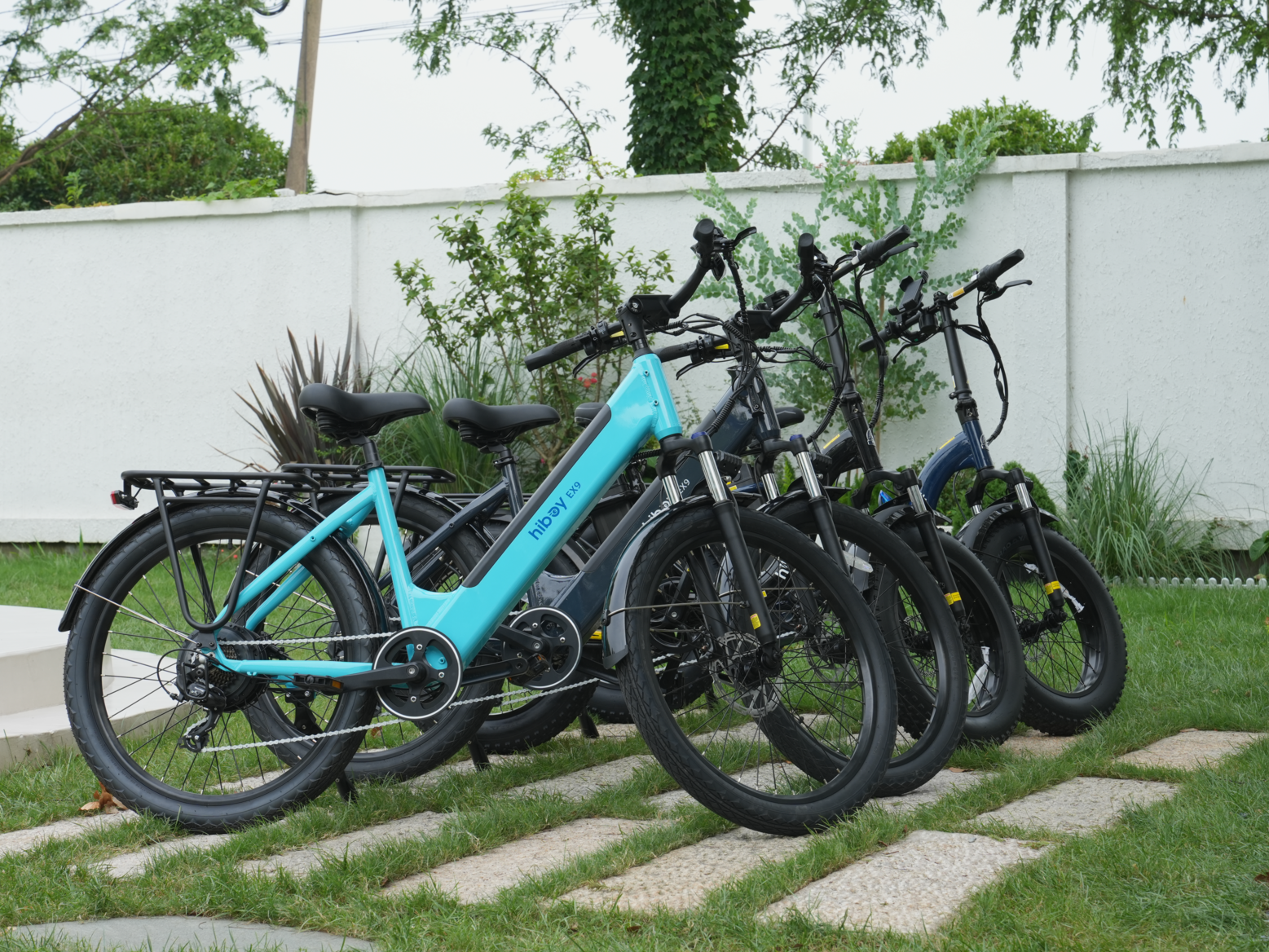
Electric bikes (e-bikes) have become one of the most talked-about modes of transportation in Canada, combining the pedaling freedom of a traditional bicycle with the power and convenience of electric assistance.
But what exactly makes an e-bike work? And why are they gaining so much popularity across Canadian cities and communities? In this guide, we’ll break down the mechanics of electric bikes, explain key components, and review the latest Canadian e-bike market trends.
What Is an Electric Bike?
An electric bike looks much like a traditional bicycle but includes additional electrical components that assist the rider’s pedaling. At its core, an e-bike is designed to make cycling easier, especially on hills, long commutes, or when carrying extra weight.
E-bikes provide power assistance, not full propulsion like a motorcycle, making them efficient, eco-friendly, and great for mixed urban and recreational use.

How Electric Bikes Work: Key Components Explained
An electric bike system typically consists of five main parts: a battery, motor, controller, sensors, and user interface. Each plays a crucial role in how the bike operates.
1. Battery: The Power Source
The battery stores electrical energy used to power the motor and other electronic systems. Most modern e-bikes use lithium-ion batteries because of their high energy density and lightweight design. The size and voltage of the battery directly influence how far and how powerfully the bike can assist you.
- More capacity = longer range
- Higher voltage = more potential power output
2. Motor: Where the Power Goes
The motor is the heart of an e-bike. It converts electrical energy from the battery into mechanical power to help propel the bike forward. Motors can be mounted in different places, such as in the front wheel, rear wheel, or at the crank (middle-drive).
Electric bike motors typically operate quietly and provide smooth assistance based on your pedaling input or throttle control.

3. Controller: The Brain of the System
The controller manages the flow of electrical energy from the battery to the motor. It interprets signals from the rider (such as pedaling force or throttle position) and sends power accordingly. This ensures efficient power delivery, helps conserve battery life, and can adjust output for different riding modes.
4. Sensors: Detecting Your Input
Most e-bikes use sensors that measure pedaling speed, force, or cadence. These sensors send data to the controller so that the motor only engages when appropriate, for example, when you start pedaling or when you need extra help climbing a hill.
5. User Interface: Your Control Panel
Mounted on the handlebars, the user interface lets you turn the e-bike on/off, select assistance levels (e.g., Eco, Normal, Turbo), and view information like speed and battery level. This gives you control over how much electrical support you want during your ride.

Types of E-Bike Power Modes in Canada
There are two main ways an e-bike assists:
- Pedal-Assist (Pedelec): The motor engages only when you pedal. This is the most common mode in Canada and makes riding feel natural.
- Throttle-Assist: The motor can propel the bike without pedaling, similar to a scooter. Not all e-bikes support this mode, but where allowed, it gives riders full electric power without pedaling input.
E-Bike Market Trends in Canada
E-bikes aren’t just a cool technology; they’re a fast-growing market in Canada.
According to market research data:
- In 2024, the Canadian electric bike market size was estimated at approximately US$33.76 million.
- It’s projected to nearly triple by 2029, growing at a compound annual growth rate (CAGR) of around 20.6%.
- E-bikes with pedal assist dominate the market due to easier regulations and lower requirements for registration or licensing.

This rapid growth reflects broader trends: Canadians are adopting e-bikes for commuting, recreation, and sustainable travel as cities expand cycling infrastructure and ride-sharing initiatives.
Why E-Bikes Are Gaining Popularity in Canada
- Practical for Daily Commuting: E-bikes make urban travel easier by adding power on demand, helping riders tackle hills and longer distances without excessive effort.
- Eco-Friendly Transportation: Compared to cars or motorcycles, e-bikes produce zero emissions during use and help reduce congestion.
- Accessible for More Riders: Electric assistance means riders of varying fitness levels can enjoy cycling without fatigue.
- Cost-Effective Mobility: Over time, e-bikes can save money compared with fuel, parking, and public transit fares.
Government Support & Incentives for Electric Bikes
Beyond convenience and sustainability, government support is another key factor driving the momentum of electric bikes across Canada. While there is currently no nationwide federal rebate for e-bikes, several provincial, territorial, and municipal programs help lower the cost of ownership and encourage Canadians to choose electric-assisted cycling for daily transportation.

These incentives reflect a broader policy shift toward active transportation, emissions reduction, and urban mobility, making e-bikes an increasingly practical alternative to car travel.
Provincial & Territorial E-Bike Rebates
British Columbia
British Columbia offers one of the most robust e-bike incentive programs in the country. Through the BC E-Bike Rebate Program, eligible residents can receive rebates ranging from approximately $350 up to $1,400, depending on income level. The program is designed to improve accessibility while encouraging commuters to replace short car trips with e-bike travel.
Alberta
In Alberta, the SCRAP-IT Program provides up to $500 toward an e-bike purchase when residents recycle a qualifying vehicle. This program targets emissions reduction by helping households transition from older vehicles to cleaner transportation options.
Yukon
Yukon’s Clean-energy rebates cover 25% of an e-bike’s purchase price, up to $750, and up to $1,500 for cargo e-bikes. This incentive is especially valuable for riders who rely on e-bikes for longer distances or utility use.

Prince Edward Island (PEI)
PEI offers a $500 rebate for eligible power-assisted bicycles that meet provincial e-bike standards, supporting active transportation and reducing reliance on cars for short trips.
Nova Scotia (Past Program)
Nova Scotia previously offered a $500 e-bike rebate under the Electrify Nova Scotia initiative. Although the program has ended, it highlights growing provincial interest in e-bikes as a sustainable mobility solution and may influence future incentive programs.
Municipal & Emerging Local Programs
In provinces like Ontario, where no province-wide rebate currently exists, municipal pilot programs and local sustainability initiatives occasionally offer smaller incentives or rebates. Cities focused on reducing congestion and emissions may introduce temporary funding or partnerships with local retailers; therefore, it’s worth checking city or regional transportation websites before making a purchase.
Why These Incentives Matter
Government incentives can significantly reduce the upfront cost of an electric bike, making them more accessible to first-time riders. Combined with long-term savings on fuel, parking, and transit fares, rebates help position e-bikes as a cost-effective and environmentally responsible transportation choice for Canadians.

Buyer tip: Rebate programs often have limited funding and specific eligibility requirements. Always check current program details, approved retailers, and application timelines before purchasing your e-bike.
A Real-World Example: Riding in Canadian Cities
In cities like Vancouver, Toronto, and Montreal, cycling lanes and bike-friendly infrastructure are growing. E-bikes help riders make commutes more efficient without needing a car for short to medium distances, a key benefit during peak traffic hours and in areas with limited parking.
Final Thoughts
Electric bikes succeed because they blend traditional cycling with smart electrical components that assist riders only when needed. The battery, motor, controller, and sensors work together seamlessly to provide a smooth, responsive experience, whether you’re climbing hills or cruising across town.
And in Canada, the e-bike market is poised for continued growth as more riders discover the benefits of powered cycling and as infrastructure evolves to support sustainable transportation.
If you’re curious about how e-bikes compare to scooters or want help picking your first model, we’d love to help you explore more!






Share:
How Much Is an Electric Scooter? A Complete 2026 Price Guide for Canadian Riders
Where Can I Buy an Electric Scooter: Options and the Benefits of Shopping from the Hiboy Official Site