



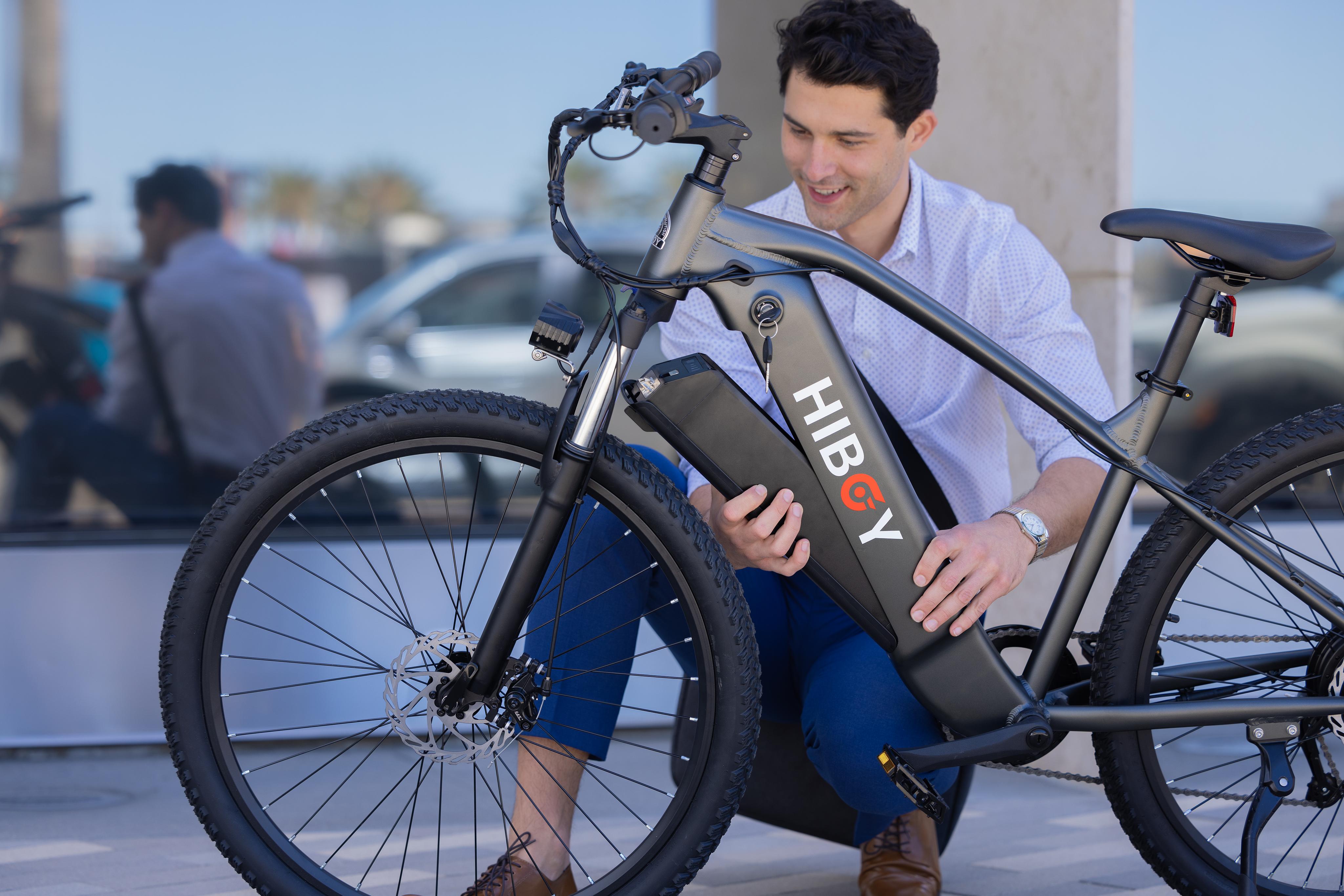
As Canadian summers bring warmer temperatures, longer riding days, and increased travel distances, electric bike usage naturally increases. But while most riders focus on tires, brakes, and riding comfort, the most sensitive and expensive component—the battery—often gets overlooked.
Proper summer battery care is essential not only for maintaining performance but also for extending overall battery lifespan, preventing capacity loss, and ensuring safety in hot weather conditions.
This guide breaks down how heat affects e-bike batteries and what Canadian riders can do to protect them during summer.
Why Summer Heat Matters for E-Bike Batteries
Most modern electric bikes use lithium-ion batteries, which are highly efficient but also sensitive to heat.
When exposed to high temperatures, several issues can occur:
- Faster chemical aging inside the battery cells
- Reduced effective range per charge
- Increased internal resistance, leading to heat buildup during rides
- Long-term capacity loss if heat exposure is frequent
- In extreme cases, thermal stress may trigger safety shutdowns
While Canada is known for its cold climate, summer heatwaves in provinces like Ontario, British Columbia, and Quebec can still push temperatures into the 30°C+ range, especially in urban environments where pavement and metal surfaces intensify heat exposure.

Ideal Temperature Range for Charging and Storage
Lithium-ion batteries perform best within a moderate temperature window.
- Optimal charging temperature: 10°C – 25°C
- Acceptable operating range: 0°C – 35°C
- Risk zone: Above 40°C (accelerated degradation begins)
In summer conditions, the biggest mistake riders make is charging immediately after a ride, when the battery is still hot from both usage and ambient temperature.
Best Practices for Summer Battery Care
1. Avoid Charging a Hot Battery
After a long ride, especially uphill, high-speed, or under direct sunlight, the battery temperature can rise significantly. Charging immediately in this state accelerates internal chemical stress and can shorten overall battery lifespan.
Best practice:
- Allow the battery to cool for 30–60 minutes before charging
- Remove it from the bike and place it in a shaded or indoor area right after riding
- Avoid charging in poorly ventilated spaces such as closed garages or sun-heated rooms
A simple rule: if the battery feels warm to the touch, it is not ready to charge. Consistently charging a hot battery is one of the fastest ways to reduce long-term capacity.

2. Keep Your Battery Out of Direct Sunlight
Lithium-ion batteries are highly sensitive to prolonged heat exposure, even when not in use. Direct sunlight can gradually raise internal battery temperature to unsafe levels.
In daily parking situations:
- Always choose shaded areas whenever possible
- If your e-bike design allows it, remove the battery and store it indoors
- Never leave the bike in a closed car during summer
Inside a parked vehicle, temperatures can exceed 50°C in less than 30 minutes, creating conditions that accelerate battery degradation even without active use.
3. Store at Partial Charge During Hot Weather
Battery charge level plays a major role in how cells react to heat over time. High or extremely low charge states increase internal stress, especially in warm environments.
For short- or long-term summer storage:
- Keep battery charge between 40% and 70%
- Avoid storing at 100% for extended periods in hot conditions
- Avoid deep discharge below 20%
This balanced charge range helps stabilize chemical activity inside the battery and slows down long-term capacity loss.

4. Use Smart Charging Habits
While modern e-bike chargers and battery management systems help prevent overcharging, user habits remain a key factor in battery health.
Recommended practices:
- Charge in a cool, dry indoor environment
- Unplug the charger once the battery is fully charged
- Avoid overnight charging during heatwaves if ambient temperatures remain high
- Always use manufacturer-approved chargers
Many e-bikes, including models from Hiboy, use built-in Battery Management Systems (BMS) to regulate temperature and charging safety. However, these systems cannot fully compensate for extreme environmental heat, making proper charging conditions essential.
5. Avoid High Power Modes in Extreme Heat
High-performance or sport modes place additional load on the motor and battery, increasing energy draw and heat generation.
In hot weather conditions:
- Prefer eco or standard riding modes for longer trips
- Limit frequent hard acceleration or full-throttle starts
- Take short rest breaks during extended rides
Reducing power demand helps lower both internal battery temperature and overall system strain.

6. Monitor Tire Pressure and Load
Battery efficiency is directly influenced by how hard the motor needs to work. Underinflated tires or excessive cargo increase resistance, which leads to higher energy consumption.
Key considerations:
- Underinflated tires increase rolling resistance and power demand
- Higher motor load results in increased battery heat output
- Summer heat naturally raises tire pressure, so regular checks are important
Maintaining proper tire pressure is a simple but highly effective way to reduce unnecessary battery strain.
7. Protect Charging Equipment
Battery care also extends to the charger, which can be affected by heat buildup during operation.
Best practices:
- Place chargers in well-ventilated areas
- Avoid covering them with cloth, bags, or other materials
- Do not use chargers on soft surfaces like beds or sofas
- Regularly inspect cables and connectors for heat-related wear or damage
A stable, cool charging setup helps ensure consistent performance and reduces electrical risk over time.

Riding in Canadian Summer Conditions: Practical Tips
Canada’s summer riding conditions vary widely by region:
| Canadian Region | Typical Summer Conditions | Recommended Riding Adjustments |
| Vancouver & Coastal Areas | Humid conditions with moderate temperatures and occasional warm afternoons | Store the bike indoors when possible, avoid leaving the battery in damp heat for extended periods, and allow the battery to cool after long rides before charging |
| Toronto & Montreal | Frequent heat waves, strong sun exposure, and urban heat island effects | Ride during early morning or evening hours, avoid charging immediately after commuting, and park in shaded or underground areas whenever possible |
| Prairies | Intense sunlight, dry heat, and long open-road exposure | Carry water for both rider endurance and safer riding focus, reduce prolonged high-speed riding in direct sun, and monitor battery temperature during long-distance trips |
Long-Term Battery Health Checklist (Summer Edition)
Before and during summer riding season:
| Battery Care Practice | Why It Matters |
| Let the battery cool before charging | Reduces internal heat stress and helps preserve long-term capacity |
| Store away from direct sunlight | Prevents overheating and accelerated battery degradation |
| Maintain 40%–70% charge during storage | Minimizes chemical stress inside lithium-ion cells |
| Use eco or standard riding modes in high heat | Reduces battery load and internal heat buildup |
| Check tire pressure regularly Improves efficiency and lowers unnecessary battery strain | Charge in cool indoor environments Supports safer charging conditions and battery stability |
| Avoid leaving the battery in parked vehicles | Prevents exposure to extreme temperatures that can damage cells |
| Inspect chargers and cables regularly | Helps identify heat-related wear and maintain charging safety |
Following these habits consistently can significantly extend battery lifespan, often by years.
Final Thoughts
Electric bike batteries are designed to be durable, but they are not immune to heat stress. In Canadian summers, where temperature spikes can be sudden and intense, proper battery care becomes essential for safety, performance, and long-term cost efficiency.
By adopting smart charging habits, managing exposure to heat, and adjusting riding behavior, you can ensure your e-bike performs reliably throughout the entire season and beyond.






Share:
How to Commute Year-Round with an Electric Scooter in Canada
Electric Bike vs Public Transit Costs in Canada: Which Saves More in 2026?